
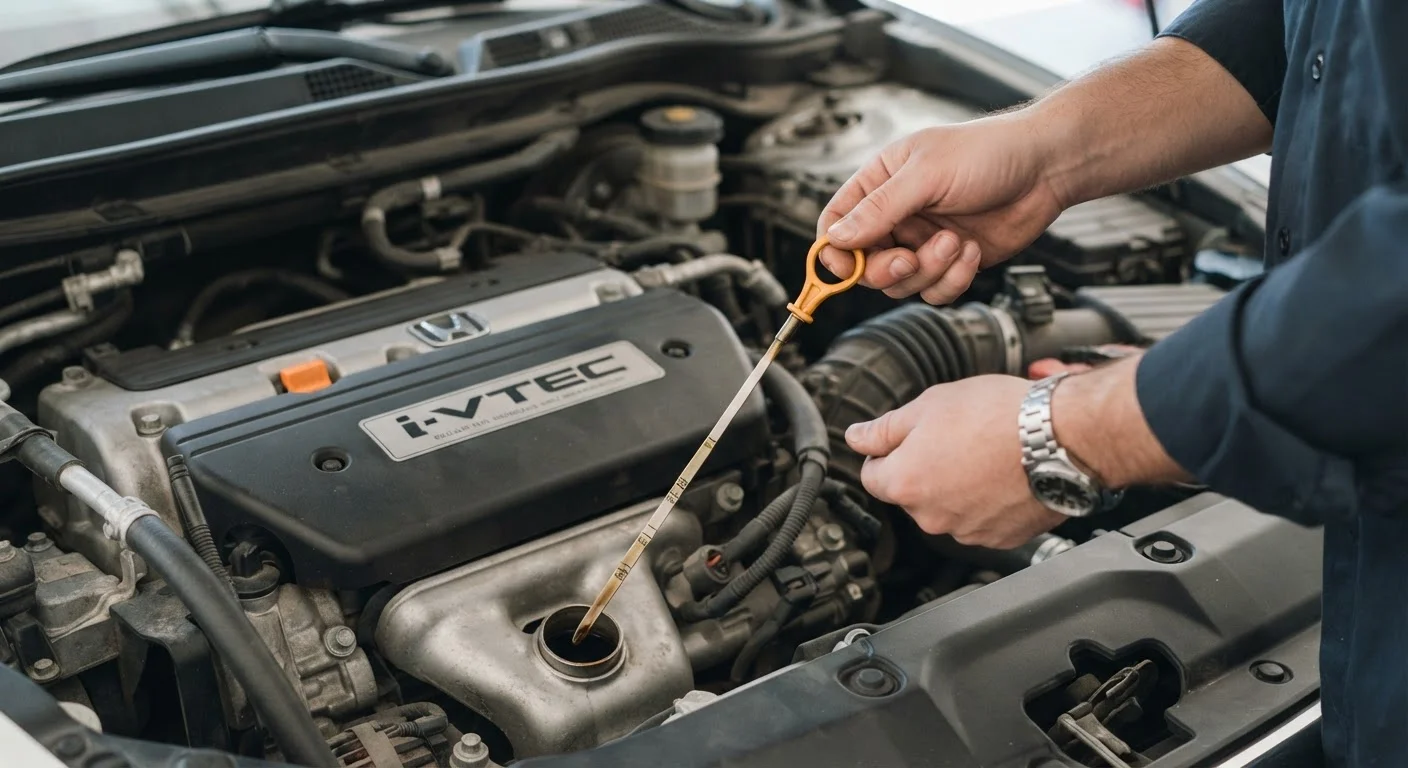
The Snowball Effect of Small Neglect
Most catastrophic car repairs don't happen without warning - they build slowly through a chain of skipped small tasks. A slightly low coolant level becomes an overheated engine. A worn air filter strains the fuel system. An ignored oil change causes sludge buildup that accelerates engine wear. Each overlooked item adds pressure on surrounding components until something breaks.
The good news is that the opposite is also true: staying on top of minor maintenance creates a compounding benefit. Vehicles that receive regular basic care consistently last longer and require fewer emergency repairs. If you're newer to car ownership, the foundational guide to car maintenance is a practical starting point for building a reliable upkeep routine.
Safety Is the Real Cost of Neglect
Worn brake pads, underinflated tires, and low steering fluid aren't just mechanical inconveniences - they directly impair your ability to control the vehicle. Skipping small maintenance tasks can create dangerous conditions on the road that put you and other drivers at risk. Never dismiss a warning light or unusual noise as something that can wait indefinitely.
The Mistakes Most Drivers Make - And How to Fix Them
The following errors are among the most common and consequential for everyday drivers. None of them require mechanical expertise to avoid - just awareness and a consistent schedule.
Going too long between oil changes.
Why it happens: Modern synthetic oils last longer than older mineral-based formulas, so many drivers assume their car can go indefinitely - or they simply forget to track mileage.
Ignoring tire pressure and rotation schedules.
Why it happens: Tires lose pressure gradually and unevenly, so drivers rarely notice until a tire looks visibly flat or a warning light appears - by which point wear is already advanced.
Neglecting to top off or flush coolant.
Why it happens: Coolant sits out of sight in a reservoir, and many drivers don't realize it degrades chemically over time, losing its ability to prevent both overheating and internal corrosion.
Skipping air filter replacements.
Why it happens: Air filters are invisible during normal driving, and their decline is so gradual that drivers rarely notice a performance drop until the filter is severely clogged.
Dismissing brake pad wear until there's a grinding sound.
Why it happens: The squealing sound that signals worn pads often comes and goes early on, making it easy to rationalize as a temporary or unimportant noise.
$1,200+
Average cost of engine damage from oil neglect
According to automotive service industry data, engine repairs caused by sludge buildup from infrequent oil changes regularly exceed $1,200 and can reach several thousand dollars.
11%
Vehicles with critically low tire pressure on US roads
The National Highway Traffic Safety Administration has estimated that a significant share of vehicles on US roads are driven with at least one substantially underinflated tire.
Building Habits That Protect Your Investment
Your car's owner's manual contains manufacturer-specific maintenance intervals that are more reliable than general rules of thumb - yet most drivers never open it. Treating that manual as a reference guide rather than a paper formality is one of the most practical shifts you can make.
Think of car maintenance the same way you might approach a home improvement checklist: small, consistent actions prevent the expensive interventions. Just as small routines keep a home running smoothly, scheduled maintenance keeps a vehicle running reliably without surprise breakdowns.
It also helps to view deferred maintenance as a hidden financial cost. The money saved by skipping an oil change now can easily become a thousand-dollar repair later - the kind of unexpected expense worth auditing in your budget. If you want to see how small overlooked costs add up across all areas of life, the hidden costs worth auditing offers a useful framework.
Dashboard Warning Lights Are Not Optional
A check engine light, oil pressure warning, or temperature gauge spike should never be dismissed as a glitch to revisit later. These signals indicate your vehicle's systems have detected a problem that could worsen rapidly with continued driving. When a warning light appears, check your owner's manual immediately and consult a qualified mechanic - driving on without investigation can convert a minor fix into a major one.