
Why Daily Habits Matter More Than Occasional Effort
When it comes to pet care, big gestures - a new toy, a trip to the groomer, an annual vet visit - tend to get the most attention. But the real foundation of a healthy, happy animal is built in the small, repeated moments: the daily brush, the consistent walk, the few minutes of focused play before bed.
Think of it the way you might approach your own healthy habits. A single good day doesn't move the needle much, but compounded over months and years, steady routines shape outcomes in ways that occasional efforts simply can't match. The same logic applies to your pet. Visit our pet health hub for a broader look at keeping your animal well across every life stage.
This article focuses on the daily practices that experienced owners and veterinary professionals consistently point to - not as burdens, but as investments that tend to pay off quietly over time.
Core Daily Practices Worth Building Into Your Routine
Not every habit takes long. Many of the most impactful ones require just a few minutes of intentional attention each day. Here are the practices that genuinely accumulate into better outcomes:
Observe your pet's baseline behavior and physical condition every day
Consistent daily observation lets you notice deviations - reduced appetite, changes in coat, altered gait, unusual lethargy - before they escalate. Early detection gives veterinarians more options and often means less invasive and less expensive interventions.
Establish and stick to consistent feeding times and portion sizes
Regular feeding schedules support healthy digestion and help you track appetite changes, which are often among the first signs of illness. Free-feeding, by contrast, makes it harder to notice when an animal is eating less than normal. Understanding pet nutrition labels can help you make more informed choices about what goes in the bowl.
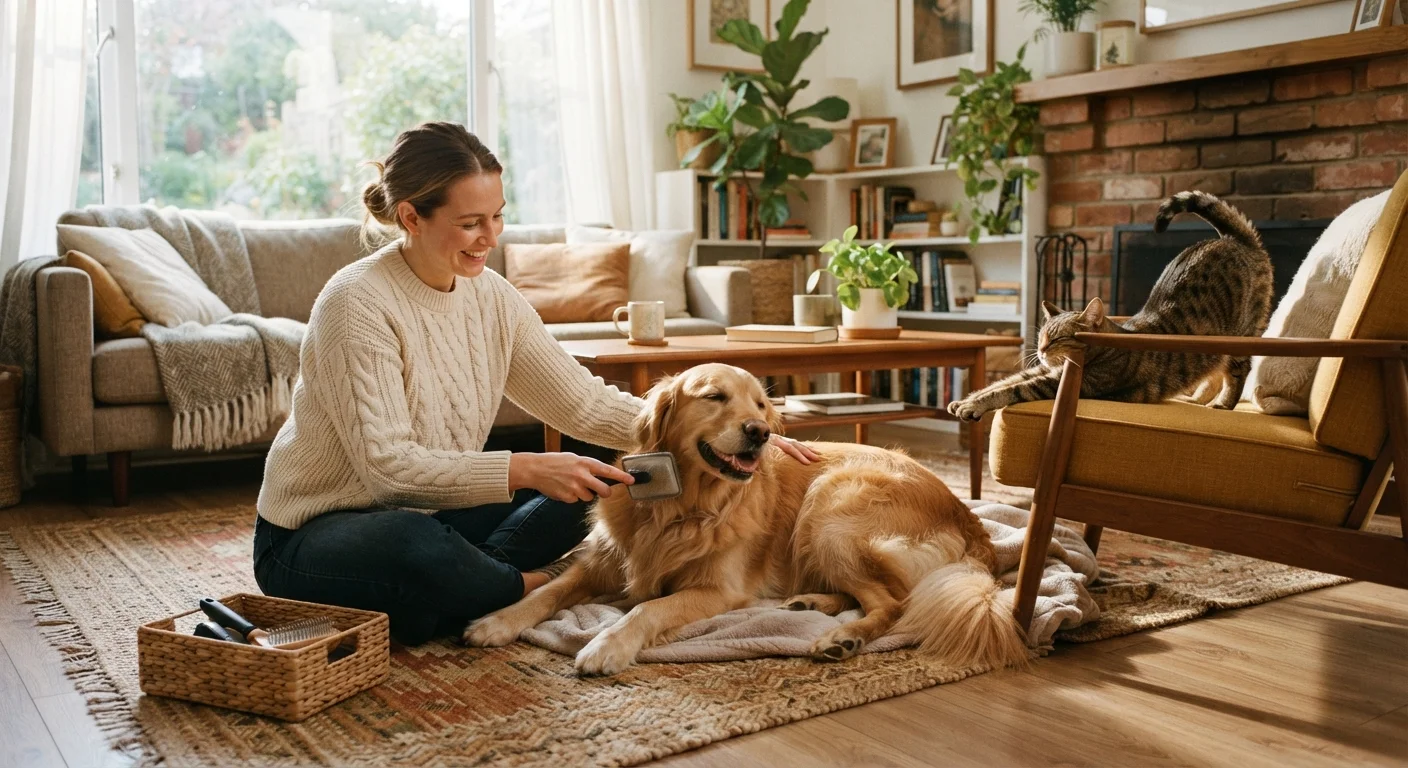
Include a short, intentional grooming session in your daily routine
Daily brushing removes loose hair, prevents matting, distributes natural oils, and gives you regular close contact with your pet's skin and coat. It also serves as a bonding activity that many animals come to enjoy. Be aware that common grooming myths can lead owners astray - what helps one coat type may harm another.
Provide daily mental enrichment alongside physical exercise
A physically tired pet isn't necessarily a mentally satisfied one. Cognitive engagement - through training, puzzle feeders, scent work, or interactive play - reduces stress, curbs destructive behavior, and supports emotional resilience over time.
Monitor your pet's weight weekly and track changes over time
Gradual weight gain or loss can be difficult to notice through casual observation but is one of the most clinically significant indicators of health status. Regular weigh-ins at home - using a bathroom scale with and without holding your pet - provide a simple data point that informs both feeding and veterinary conversations.
Quick Wins You Can Start Today
If you're just building out your pet care routine - or looking to tighten up an existing one - these are the highest-leverage starting points:
Even implementing two or three of these consistently will put you ahead of reactive-only care. For a structured year-round view, the Pet's Annual Health Checklist is a useful companion reference.
Observation: The Habit That Catches Problems Early
One of the most underrated daily habits is simply paying attention. Pets can't describe symptoms, so behavior and physical appearance become the primary diagnostic signals available to you. Changes in appetite, energy level, coat condition, bathroom habits, or social behavior are often the first indicators that something is off.
When to Act on What You Notice
Not every behavioral change signals a health problem - stress, seasonal shifts, or household changes can all cause temporary variation. That said, changes that persist for more than a day or two, or that are accompanied by other signs like vomiting, limping, or withdrawal, warrant a call to your vet. The difference between preventive and reactive care is often simply how early a concern is addressed. When in doubt, reaching out to your veterinarian is always the right move.
Learning to read your animal's signals accurately takes practice. The body language guide is a useful starting point for understanding what your pet is communicating day to day.
70%+
Pets over age 3 with some dental disease
According to the American Veterinary Medical Association, the majority of dogs and cats show signs of periodontal disease by age three - a condition largely preventable through consistent oral hygiene habits.
1 in 3
Pets considered overweight or obese
The Association for Pet Obesity Prevention has estimated that roughly one-third of dogs and cats in the U.S. are overweight, a condition linked to reduced lifespan and increased disease risk.
Daily observation doesn't require clinical expertise - it just requires familiarity. The more consistent you are, the better calibrated you become to what's normal for your specific animal, which makes deviations easier to catch. If you ever notice changes that concern you, consult your veterinarian rather than waiting to see if things resolve on their own.
Mental Stimulation: The Overlooked Side of Daily Care
Physical exercise gets most of the attention, but boredom and understimulation are genuine contributors to behavioral problems in both dogs and cats. Animals that don't have enough mental engagement can develop anxiety, destructive behavior, or excessive vocalization - problems that are far easier to prevent than to reverse.
Match Enrichment to Your Pet's Species and Age
What counts as stimulating varies significantly by animal and life stage. Young dogs often thrive with training sessions and physical play, while senior dogs may prefer scent games that engage their nose without stressing joints. Cats generally benefit from activities that mimic hunting - stalking, pouncing, and exploring. Tailoring enrichment to your specific pet's age, breed tendencies, and personality makes it far more effective than a one-size-fits-all approach.
“Enrichment isn't a luxury for pets - it's a basic welfare need. An animal that isn't mentally engaged will find its own outlets, and those are rarely the ones owners want.”
— Dr. Karen Overall, Veterinary behaviorist and author of clinical behavioral medicine references for small animals
Daily enrichment doesn't have to be elaborate. Rotating toys, introducing short training sessions, or hiding food in a puzzle feeder are all low-effort ways to keep a pet's mind engaged. For cats especially, even a few minutes of interactive wand play can make a measurable difference in mood and behavior.
As your pet ages, the type of mental and physical stimulation that works best may shift. The guide to aging pets covers what to watch for and how to adjust care accordingly.
This article is for general informational purposes only and is not a substitute for professional veterinary advice. Consult a licensed veterinarian for guidance specific to your pet's health, breed, or condition.