
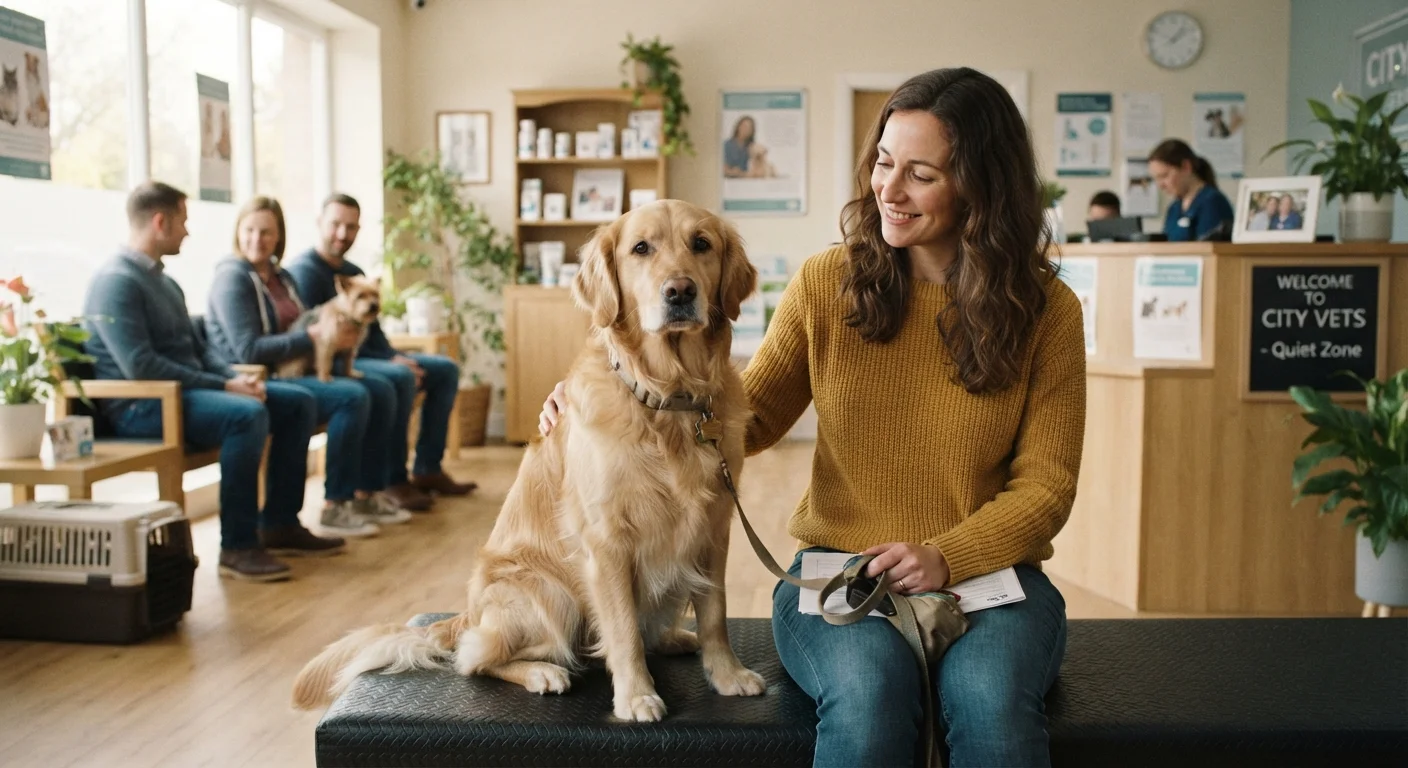
Why Vet Anxiety Happens - and Why It's Worth Addressing
Anxiety at veterinary appointments is one of the most common concerns among pet owners. For many animals, the experience involves unfamiliar smells, strange handling by strangers, and an environment loaded with sensory cues they've learned to associate with discomfort. This is a learned response - and that means it can often be improved with consistent, low-pressure practice.
The benefit of reducing vet anxiety goes beyond the appointment itself. Animals that are less reactive during exams are easier for vets to assess accurately, which leads to better care. Owners who aren't dreading the trip are more likely to keep up with routine checkups. Building daily pet care habits that include regular touch and carrier exposure pays dividends every time a vet visit comes around.
If your pet is new to your home, establishing trust early makes this process much more manageable. The first week with a new pet is a critical window for beginning desensitization to handling and travel. The steps below work for pets at any stage, but starting early always helps.
What you will need
What You'll Need Before You Start
Hard-sided or soft carrier
Provides a contained, familiar space that reduces environmental stimulation during transport.
High-value treats
Used during desensitization practice and at the clinic to create positive associations with stressful moments.
Familiar scent item (blanket or worn clothing)
Placing a scent-familiar object in the carrier helps comfort pets during unfamiliar situations.
Calming pheromone spray (species-specific)
Synthetic pheromone products designed for dogs or cats may help reduce situational anxiety when applied to carriers ahead of time.
You don't need specialized equipment to make vet visits less stressful - the tools above are straightforward, and most are already in your home. The most important resource is time: beginning preparation several days before the appointment is far more effective than rushing through it the morning of. Learn more about overall pet wellness at the Pet Health hub.
Timing Can Make a Big Difference
Ask your clinic if they offer the first appointment of the day or a designated quiet hour - lower foot traffic and less noise in the waiting room can noticeably reduce your pet's arousal level before the exam even begins. Many practices are also happy to let anxious pets wait in the car rather than a busy lobby.
Step-by-Step: Preparing Your Pet for the Visit
Never Skip Necessary Veterinary Care
Anxiety around vet visits is very common and manageable, but it should never become a reason to delay or avoid care your pet needs. If fear is severe enough to prevent routine checkups, speak with your veterinarian about low-stress handling protocols or referrals to a veterinary behaviorist. Untreated health issues are always a greater risk than appointment discomfort.
Make the carrier a normal part of your home
At least a week before the appointment - ideally longer - bring the carrier out and leave it open in a space where your pet spends time. Place familiar bedding inside and drop treats near and inside it daily. The goal is for the carrier to feel like furniture, not a trap. Cats especially benefit from having the carrier available as a resting option between visits.
Practice short car trips with no destination
Many pets associate car rides exclusively with vet visits, which means the anxiety begins before you even arrive. Break that pattern by taking your pet on brief, low-stakes rides that end back home - no exam, no strangers, just movement. Do this two or three times in the week before the appointment if possible.
Run short handling sessions at home
Veterinary exams involve touching ears, paws, mouths, and abdomens - areas many pets are sensitive about. Spend a few minutes daily gently touching these areas while offering treats and praise. Keep sessions short and end on a positive note. Understanding your pet's comfort cues is key here - see how to read your pet's body language for signals that tell you when to pause.
Prepare yourself and your logistics the day before
Gather your pet's records, confirm the appointment time, and load the carrier into the car the night before so morning prep is minimal. Feed your pet lightly before the visit if the vet recommends it for the type of appointment - always check in advance. A rushed, disorganized owner communicates stress, so build in extra travel time.
Communicate with clinic staff on arrival
Let the front desk know your pet is anxious as soon as you check in. Many clinics can offer a quieter waiting spot, a faster intake process, or specific handling accommodations. Vet teams are practiced at working with nervous animals - giving them a heads-up means they can adapt before your pet reaches a high stress threshold.
Decompress at home after the visit
After returning home, give your pet quiet time to settle before returning to normal household activity. Avoid baths or other handling tasks on the same day. A calm post-visit environment reinforces that the experience is over and that home is safe. Rewarding calm, settled behavior - not anxious behavior - helps close the loop positively.
Don't Reassure in Ways That Reinforce Fear
It's natural to want to comfort a frightened pet with soothing words and extra attention, but overdoing it can unintentionally signal that there is something to be afraid of. Instead, model calm, matter-of-fact behavior - use a steady voice, offer treats for settled behavior, and avoid projecting worry onto your animal.