
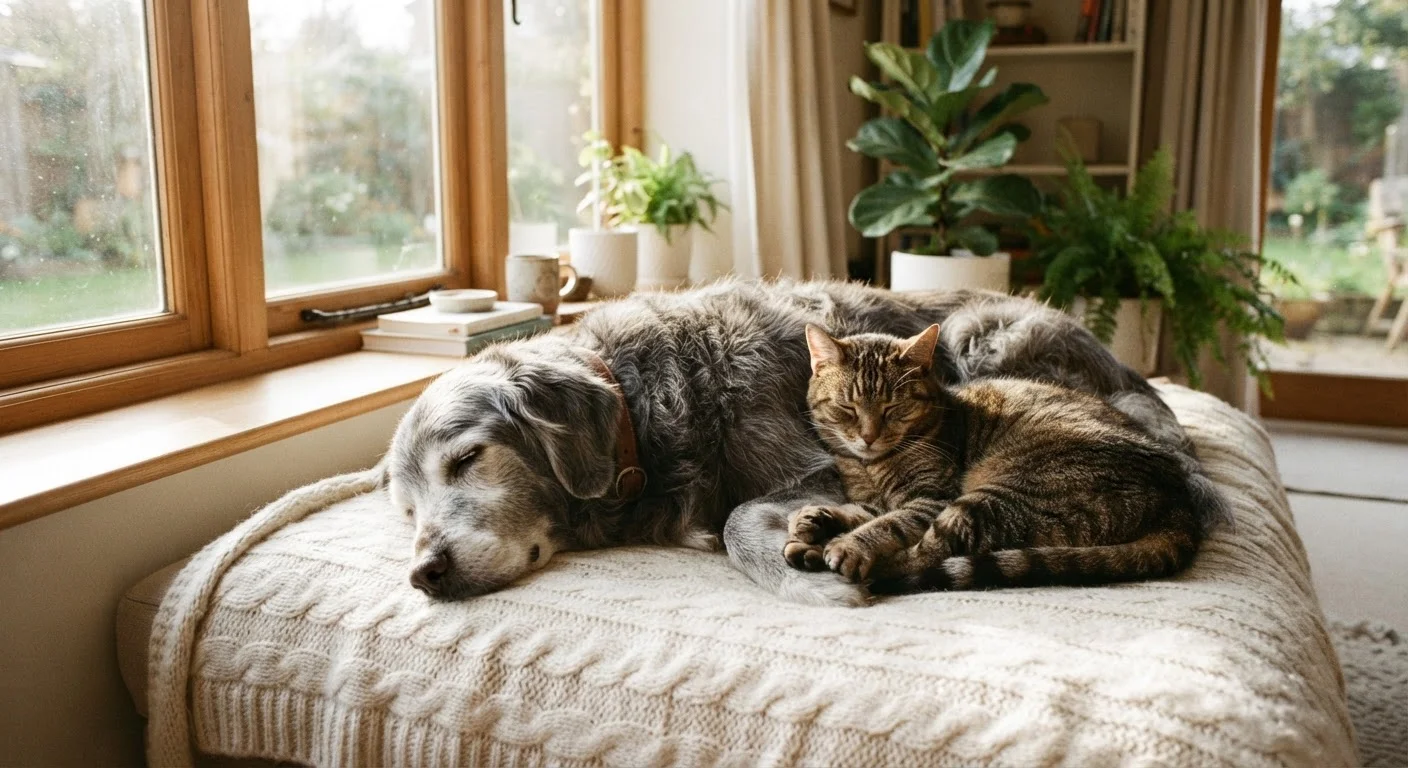
When Is a Pet Considered 'Senior'?
There's no single birthday that marks the shift from adult to senior pet - it varies considerably by species, breed, and size. As a general starting point, most cats and small-to-medium dogs enter their senior phase around age 7 or 8. Large dog breeds, such as Labrador Retrievers or German Shepherds, may reach that threshold closer to age 6, while giant breeds like Great Danes often age even faster, sometimes showing senior-related changes by age 5.
Understanding where your pet falls on this timeline helps you calibrate your expectations. An 8-year-old Chihuahua and an 8-year-old Saint Bernard are physiologically very different, even if they share a birthday. Your veterinarian can help you determine what life stage applies to your specific animal.
Senior pet
A cat or dog that has entered the later phase of its life, typically beginning around age 7 for most dogs and cats, though large and giant breeds may reach this stage earlier.
Cognitive Dysfunction Syndrome (CDS)
An age-related neurological condition in dogs and cats that causes symptoms such as disorientation, disrupted sleep, and reduced responsiveness - somewhat analogous to dementia in humans.
Nuclear sclerosis
A normal, age-related change in a dog's eye lens that causes a bluish-grey haze but typically does not significantly impair vision - different from cataracts.
Arthritis
A joint condition causing inflammation, stiffness, and pain that is common in older dogs and cats, often noticeable as difficulty rising, reduced mobility, or reluctance to exercise.
Periodontal disease
Progressive infection and inflammation of the structures supporting a pet's teeth, more common with age and potentially linked to broader organ health issues if unmanaged.
Wellness visit
A routine, proactive veterinary checkup - not prompted by illness - intended to catch early health changes, update preventive care, and establish health baselines over time.
Physical Changes to Watch For
Ageing affects nearly every body system, but the changes tend to appear gradually - which makes attentive observation all the more valuable. Here are the most common physical shifts owners notice:
- Mobility and joints: Stiffness after rest, reluctance to climb stairs, or difficulty rising are hallmarks of arthritis, one of the most prevalent age-related conditions in both dogs and cats. Watch for limping or a subtly changed gait.
- Weight changes: Both unexplained weight gain and weight loss deserve attention. Organ function - particularly the thyroid, kidneys, and liver - can shift with age and alter metabolism meaningfully.
- Dental health: Periodontal disease becomes increasingly common in older pets and can affect organ health if left unmanaged. Bad breath, difficulty chewing, or pawing at the mouth are signs worth flagging.
- Vision and hearing: A bluish haze in the eyes (nuclear sclerosis) is a normal ageing change in dogs, but actual cataracts reduce vision and look cloudier. Reduced responsiveness to sounds may signal hearing loss.
- Coat and skin: The coat may thin, coarsen, or develop more grey. Lumps and bumps under the skin also become more common with age - most are benign, but all should be checked by a vet.
See your pet's annual health checklist for a practical year-round tracking framework that applies across life stages.
Don't Assume Slowness Is Just 'Old Age'
It's tempting to attribute a senior pet's reduced energy or limping to ageing alone - but pain, organ disease, and other treatable conditions can present exactly the same way. A vet assessment is the only way to distinguish normal ageing from something that needs medical attention. When in doubt, get it checked.
Cognitive and Behavioural Shifts
Changes in the brain are a less obvious but equally important part of ageing. Cognitive Dysfunction Syndrome (CDS) - sometimes compared loosely to dementia in humans - can affect both dogs and cats. Recognisable signs include:
- Disorientation in familiar environments
- Staring blankly at walls or seeming confused
- Disrupted sleep-wake cycles, including nighttime restlessness
- Decreased interest in interaction or play
- House-training accidents in previously reliable pets
Beyond CDS, some behavioural changes are simply personality-level shifts that come with reduced energy and sensory input. A once-sociable cat may prefer more solitude. A dog that loved fetch may now prefer a gentle stroll.
Learning to read these shifts clearly matters - your pet's body language can tell you a great deal about whether they're content, uncomfortable, or confused. Distinguishing normal quietness from signs of pain or disorientation is a skill worth developing.
Cats Hide Discomfort Particularly Well
Cats are instinctively inclined to mask signs of pain or illness, which can make age-related changes harder to spot than in dogs. Subtle shifts - like reduced grooming, less jumping, or quiet withdrawal - often carry more meaning than they appear to. Paying close attention to changes from your individual cat's normal baseline is more useful than comparing them to a generic checklist.
How to Support an Ageing Pet at Home
Many practical adjustments can meaningfully improve a senior pet's daily comfort without requiring specialist equipment or significant expense.
- Flooring: Add non-slip rugs or mats on hardwood or tile surfaces to reduce slipping, especially for arthritic pets.
- Bedding: Orthopedic pet beds with memory foam or supportive fill ease pressure on stiff joints. Low-entry or step-sided designs help pets get in and out independently.
- Access: Pet ramps or steps near furniture and cars reduce the impact of jumping for dogs with joint issues.
- Food and water placement: Raised bowls can reduce neck and back strain, particularly for larger or stiff-necked dogs.
- Routine: Predictable schedules reduce anxiety - especially for pets experiencing cognitive changes who find comfort in consistency.
- Gentle enrichment: Mental stimulation remains important even as physical activity slows. Puzzle feeders, calm training exercises, and sensory exploration keep older minds engaged.
Daily pet care habits adapted to your senior pet's pace can make a compounding difference over months and years.
Adjust Exercise, Don't Eliminate It
Senior pets still benefit from regular physical activity - it supports joint health, healthy weight, and mental wellbeing. The key is adjusting intensity and duration rather than stopping exercise altogether. Shorter, more frequent walks or gentle play sessions are often better suited to an older pet than one long outing.
When to Involve Your Veterinarian
Senior pets benefit from more frequent professional monitoring than their younger counterparts. Many veterinarians shift their recommendation to twice-yearly wellness visits for older animals - partly because conditions like kidney disease, diabetes, or hyperthyroidism can progress quickly and respond better to early intervention.
Bring your vet into the picture promptly if you notice any of the following:
- Significant or unexplained weight change
- Increased thirst and urination
- Persistent coughing, laboured breathing, or exercise intolerance
- Sudden behavioural changes or apparent confusion
- Loss of appetite lasting more than a day or two
- New or changing lumps, lesions, or swellings
Routine bloodwork and urinalysis panels at wellness visits give your vet a baseline against which future changes can be measured - a practical reason not to skip those checkups even when your pet seems fine.
This article is for general informational purposes only and does not constitute veterinary advice. Always consult a qualified veterinarian for guidance specific to your pet's health, age, and condition.