
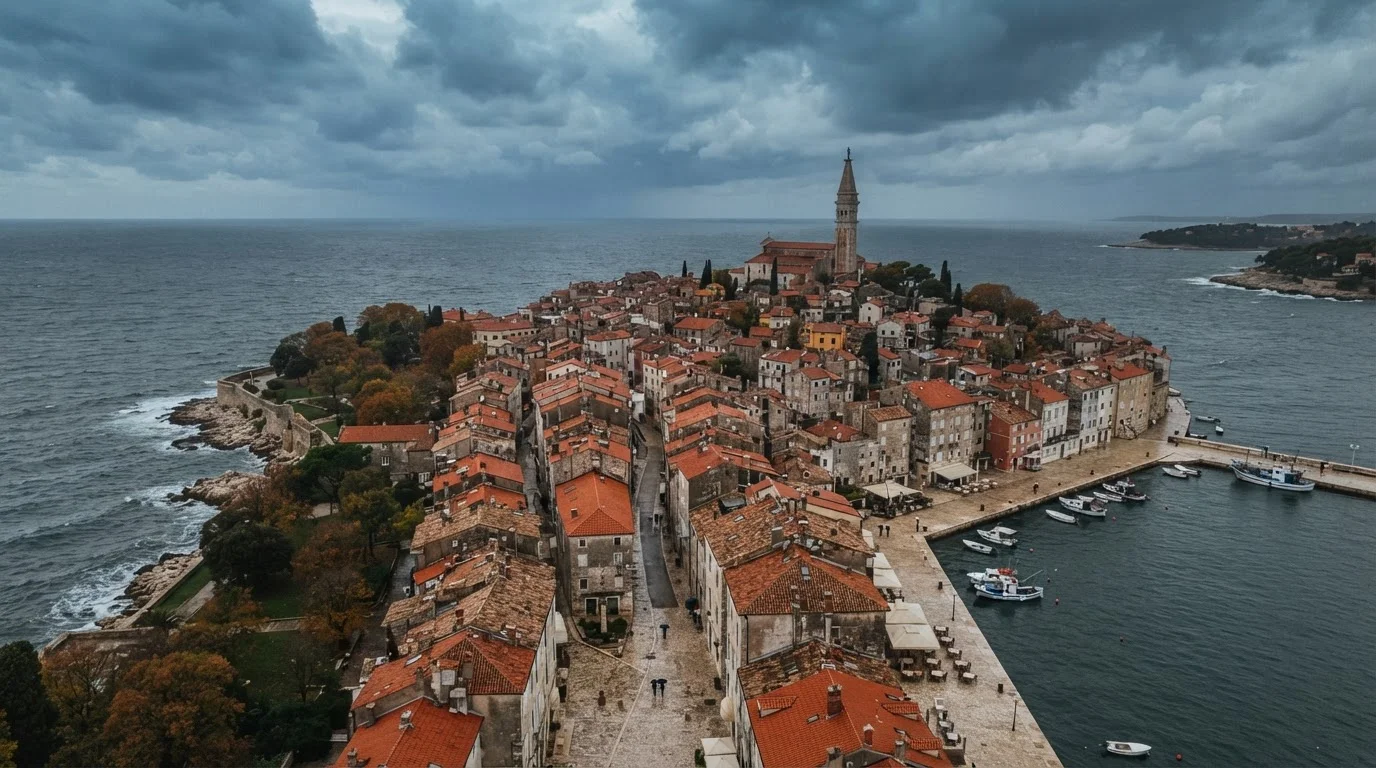
The Off-Season Isn't One Thing - It's Destination-Specific
The phrase "off-season" gets used as though it describes a universal travel calendar. It doesn't. The off-season for Santorini runs from November through March, when ferry schedules shrink and many hotels close entirely. The off-season for a Colorado ski town is June through September. For a city like New York or London, there's barely a true off-season at all - demand stays high most of the year.
This means the first step in planning off-season travel isn't searching for cheap flights - it's understanding what drives demand at your specific destination. Is it weather? School holidays? A festival? Business travel? The answers shape what the "low" period looks like and what you'll actually encounter when you get there.
Visa and Entry Rules Don't Change with the Season
Entry requirements, visa fees, vaccination documentation, and border procedures are set by governments - not by tourism demand - and apply equally regardless of when you travel. Always verify current requirements through your government's official travel advisory portal and the destination country's immigration authority well before departure. Do not rely on third-party travel sites for this information.
For travel planning resources that factor in timing, see the Travel Planning hub for practical, season-aware guidance.
What Actually Changes in the Off-Season
Three things shift meaningfully when tourist numbers drop: prices, crowds, and conditions. Understanding each separately helps set accurate expectations.
Prices
Accommodation and flights often - but not always - cost less in low season. Hotels use dynamic pricing, and airlines adjust fares based on demand. When fewer people want to travel somewhere, suppliers lower prices to fill capacity. However, this effect is uneven. Budget airlines sometimes reduce routes entirely in the off-season rather than discount them. Boutique properties sometimes close rather than offer lower rates. And the cost of everything else - food, entry fees, transport - may not change at all.
30-50%
Typical hotel rate reduction in low season
Industry travel pricing data generally shows accommodation costs drop by this range during off-peak periods, though variation by destination and property type is significant.
2-3x
Crowd volume difference at popular sites
Visitor data from major European heritage sites shows peak-to-low season attendance ratios commonly ranging from two to three times higher during summer months.
60%+
Travelers who cite crowds as a top complaint
Multiple traveler satisfaction surveys indicate that overcrowding at key sites is among the most frequently cited factors that diminish a trip experience.
Crowds
This is where off-season travel consistently delivers. Popular sites that are borderline un-enjoyable in peak season - think the Louvre in July or the Cinque Terre in August - become genuinely pleasant when visitor numbers thin out. Locals are more visible. Interactions feel less transactional. Queues are manageable. For many travelers, this alone justifies the trade-offs.
Conditions
This is the variable most people underestimate. Off-season often coincides with weather that made the peak season popular in the first place - rain, heat, cold, or storms. Beyond weather, services shrink: restaurants operate reduced hours, guided tours run less frequently, and entire attractions may close for maintenance. If your trip depends on specific activities, verify those are available before booking.
The Shoulder Season Advantage
Most experienced travelers don't chase the absolute cheapest time to visit - they target shoulder season, the transitional periods on either side of peak. For Mediterranean Europe, that's May-early June and September-October. For Southeast Asia, it varies by country but often falls at the edges of rainy season, when rainfall is possible but not constant.
Shoulder season usually offers meaningfully lower prices than peak, manageable crowds, and conditions that are still broadly favorable. It's not a secret - travel writers have been recommending it for years - but it remains genuinely less crowded than peak season because many travelers are constrained by school and work schedules.
Check What's Actually Open Before You Book
Before committing to an off-season trip, spend 15 minutes verifying which specific attractions, restaurants, and tours operate year-round versus seasonally. Official tourism board websites and recent traveler forum posts (filtered to the same month you're planning) are the most reliable sources. Don't assume a destination is fully operational just because it's listed as available.
For a fuller picture of how timing interacts with your overall travel budget, the guide to stretching a travel budget covers flexible booking strategies that work particularly well in shoulder season.
When 'Cheaper' Isn't Worth It
Off-season pricing can be genuinely misleading. A hotel rate that looks 40% lower than peak may come with a catch: the pool is closed, the beach restaurant is shut, the snorkeling conditions are poor, and half the things that made the destination appealing aren't available. You've saved money on the stay but hollowed out the experience.
This is a specific version of a broader travel budgeting problem - where apparent savings don't reflect actual value. The article on why travelling cheap can end up costing more explores this pattern in detail, and it applies directly to off-season planning.
The honest question isn't "Is it cheaper?" but "Is the version of this destination I'd experience in the off-season the trip I want to take?" For some people and some destinations, the answer is a clear yes. For others, it isn't - and that's a reasonable conclusion to reach.