
The Appeal vs. the Reality of Winging It
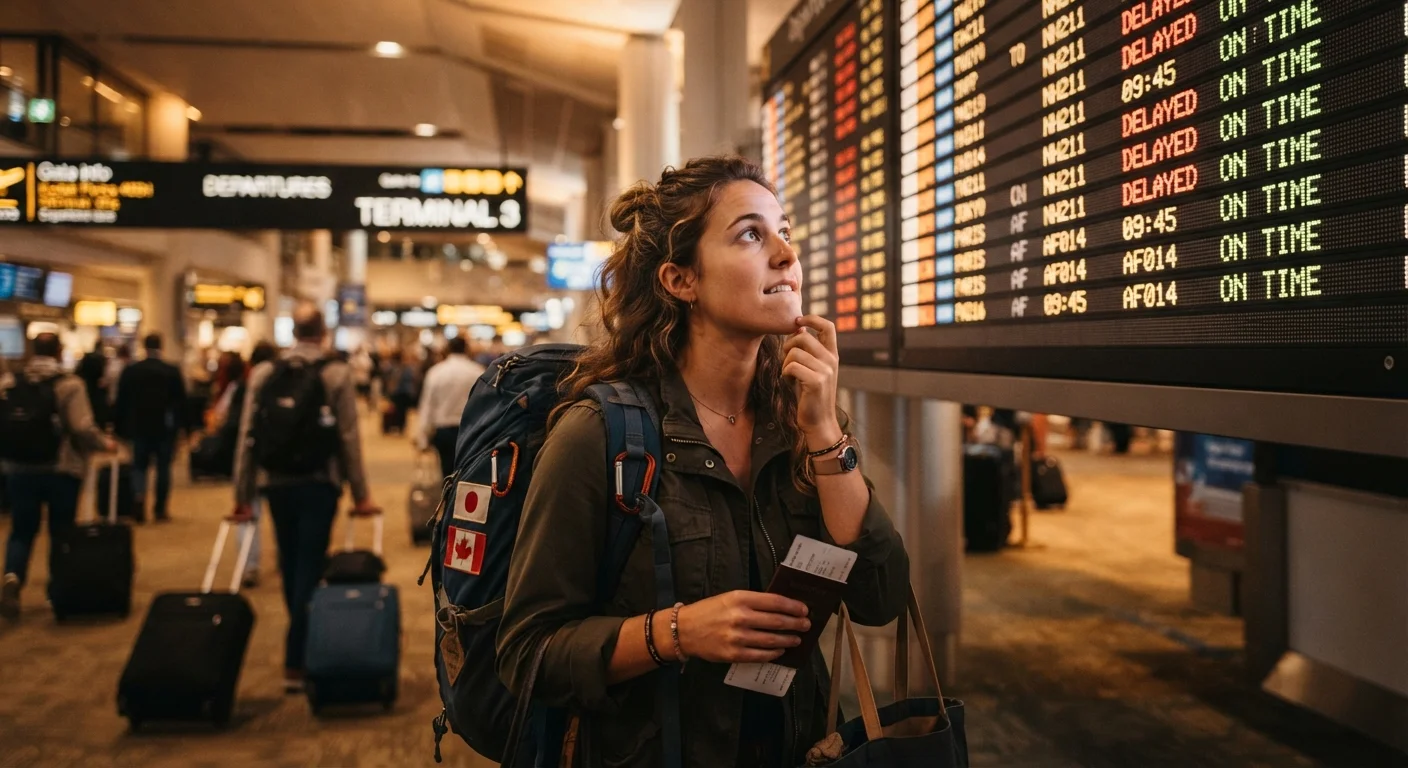
The fantasy is irresistible: wake up Friday, book a flight, and arrive somewhere new by evening with nothing but a carry-on and a curious mind. Travel content online is full of this image - and it's not entirely false. Spontaneous travel can be exhilarating. But the version that looks effortless on social media usually has a lot of invisible scaffolding underneath it.
The travelers who pull off last-minute trips smoothly tend to share a few traits: they've traveled enough to know what they can skip, they have flexible work schedules or remote arrangements, and they've already internalized basic logistics (passport validity, travel insurance habits, packing systems). For everyone else, "winging it" frequently means absorbing costs and stress that could have been avoided with an hour of groundwork.
That's not an argument against spontaneity - it's an argument for understanding where the real friction points are, so you can sidestep them rather than stumble into them. See also: the key stages of travel planning that separate a smooth trip from a stressful one.
Myth
Last-minute travel is almost always cheaper because airlines and hotels drop prices to fill empty spots.
Fact
Last-minute prices are often higher, especially for flights, which typically increase in cost as departure approaches.
The idea of heavily discounted last-minute fares persists, but it reflects how travel pricing worked decades ago more than how it works now. Airline revenue management systems are designed to maximize yield, and seats close to departure are often priced at a premium - particularly on popular routes. Hotels can work differently in low-demand periods, but during peak seasons or events, last-minute accommodation is more likely to be scarce and expensive than cheap. Genuine last-minute deals do exist, but they're not reliably available and usually require significant flexibility in destination, dates, and travel style.
Myth
You don't need to research a destination if you're only going for a few days.
Fact
Even short trips can be derailed by entry requirements, local conditions, or logistical gaps that a few minutes of research would have flagged.
A weekend trip doesn't reduce the relevance of passport validity rules, visa-on-arrival policies, or local public holidays that close services. It also doesn't eliminate the risk of arriving in a neighborhood with no working ATM or during a regional festival that has filled every accommodation within 20 miles. Basic destination research - official entry requirements, a rough sense of neighborhoods, local transport options - takes less than an hour and prevents a disproportionate share of avoidable problems.
Myth
Spontaneous travelers are more adventurous and get richer experiences than people who plan ahead.
Fact
Travel style is personal, and planning well doesn't prevent meaningful experiences - it often enables more of them.
There's a cultural bias in travel storytelling that equates chaos with authenticity. In practice, travelers who've done basic research - knowing which neighborhoods are walkable, which local transport options work, what's worth skipping - often have more bandwidth to be genuinely present and curious. They spend less mental energy solving preventable problems and more time actually engaging with a place. Spontaneity and preparation aren't opposites; they work best together. As one framing puts it: plan the logistics, leave the experience open.
Myth
If something goes wrong on a spontaneous trip, it just becomes a good story.
Fact
Some travel problems - missed medications, lost documents, medical emergencies abroad - are genuinely serious and not easily reframed as adventure.
The "good story" framing is useful for minor inconveniences: a missed bus, a rained-out afternoon, a hotel that looked better in photos. It's less useful when the problem involves a medical situation without insurance coverage, a lost passport in a country where your embassy has limited presence, or a financial emergency with no backup plan. The romantic version of travel mishaps tends to omit the parts that were genuinely frightening or expensive. A few pre-trip safeguards - copies of key documents, travel insurance, an emergency contact plan - cost very little and matter a great deal when things go seriously sideways.
Myth
Road trips are completely effortless to do spontaneously - just get in the car and go.
Fact
Road trips are more forgiving than international travel, but vehicle condition, route awareness, and basic safety prep still matter.
A domestic road trip is genuinely one of the more spontaneous-friendly travel formats, but "just get in the car" glosses over a few things worth checking first: tire condition and pressure, fluid levels, whether your roadside assistance coverage is current, and whether the route you're planning passes through areas with reliable fuel and cell service. Common road trip myths cover this well - the gap between a manageable detour and a roadside breakdown often comes down to a 15-minute pre-departure check.
Where Spontaneous Travel Actually Works
Not all trip types are equally punishing when planned at the last minute. Domestic road trips are the most forgiving category - you control the vehicle, the route is flexible, and many roadside accommodations (motels, campgrounds with first-come sites) don't require advance booking. The main prep needed is a vehicle check and a rough sense of direction. The road trip tips hub covers those fundamentals well.
Short urban breaks - a weekend in a city a few hours away - are similarly manageable, provided you're not traveling during a major local event or holiday weekend that compresses accommodation availability. Internationally, spontaneity gets harder fast. Entry requirements, currency, health documentation, and flight lead times all add friction that simply doesn't exist for a domestic drive.
International Spontaneity Has Real Limits
Entry requirements, visa processing times, and health documentation rules cannot be improvised around. Some countries require visas that take days or weeks to process; others have specific vaccination or health declaration requirements. Always verify entry conditions through official government sources - your country's foreign affairs or state department website - before booking international travel on short notice. Travel blogs and social posts are not reliable sources for this information.
If you want the feeling of spontaneity with less of the chaos, consider building what some travelers call a "loose framework": one confirmed place to sleep the first night, a return or onward ticket locked in, and everything else left open. This approach - explored in more depth in building a travel itinerary without overscheduling - gives you genuine freedom within a structure that prevents the worst-case scenarios.
~60%
of flights booked within 14 days of departure cost more
Industry analyses of airline pricing consistently show that fares on most routes rise as the departure date closes in, with the lowest prices typically found weeks or months ahead.
1 in 6
US travelers report trip disruptions from preventable oversights
Travel industry surveys have found that a significant share of disrupted trips trace back to avoidable preparation gaps - expired documents, booking errors, or missed entry requirements.
Practical Steps for Last-Minute Travel That Actually Works
If you decide to move quickly on a trip, a few focused actions protect you from the most common pitfalls:
- Confirm entry requirements first. Even for destinations that seem straightforward, check official government sources for visa rules, passport validity minimums, and any health entry conditions. These details change and are not reliably covered by travel blogs or social posts.
- Lock in one anchor. Book at least the first night's accommodation. Everything else can remain open - but arriving somewhere without a confirmed place to sleep is the most reliably miserable version of spontaneous travel.
- Check your travel insurance situation. Some credit cards include travel protection; standalone policies vary in what last-minute purchases cover. Know what you have before you need it.
- Accept the cost premium - or plan around it. Last-minute flights and hotels often cost more. If budget matters, strategies for stretching a travel budget can help you offset the premium elsewhere.
- Pack for function, not optimism. A short, honest packing list beats an aspirational one. Assume you'll be carrying everything yourself for at least part of the trip.
The goal isn't to plan the spontaneity out of the trip - it's to handle the non-negotiables so the rest of the experience can genuinely unfold on its own terms. For a more detailed look at how planning needs shift depending on trip length, short-trip vs. extended-trip strategies is worth reading before you book.
Always Verify Entry and Safety Conditions Officially
No travel article - including this one - is a substitute for checking official government travel advisories and entry requirements before you go. Conditions change, and the consequences of getting this wrong can range from being turned away at the border to facing genuine safety risks. Check your government's official travel advisory site and the destination country's embassy or consulate website before booking, no matter how short the trip.