
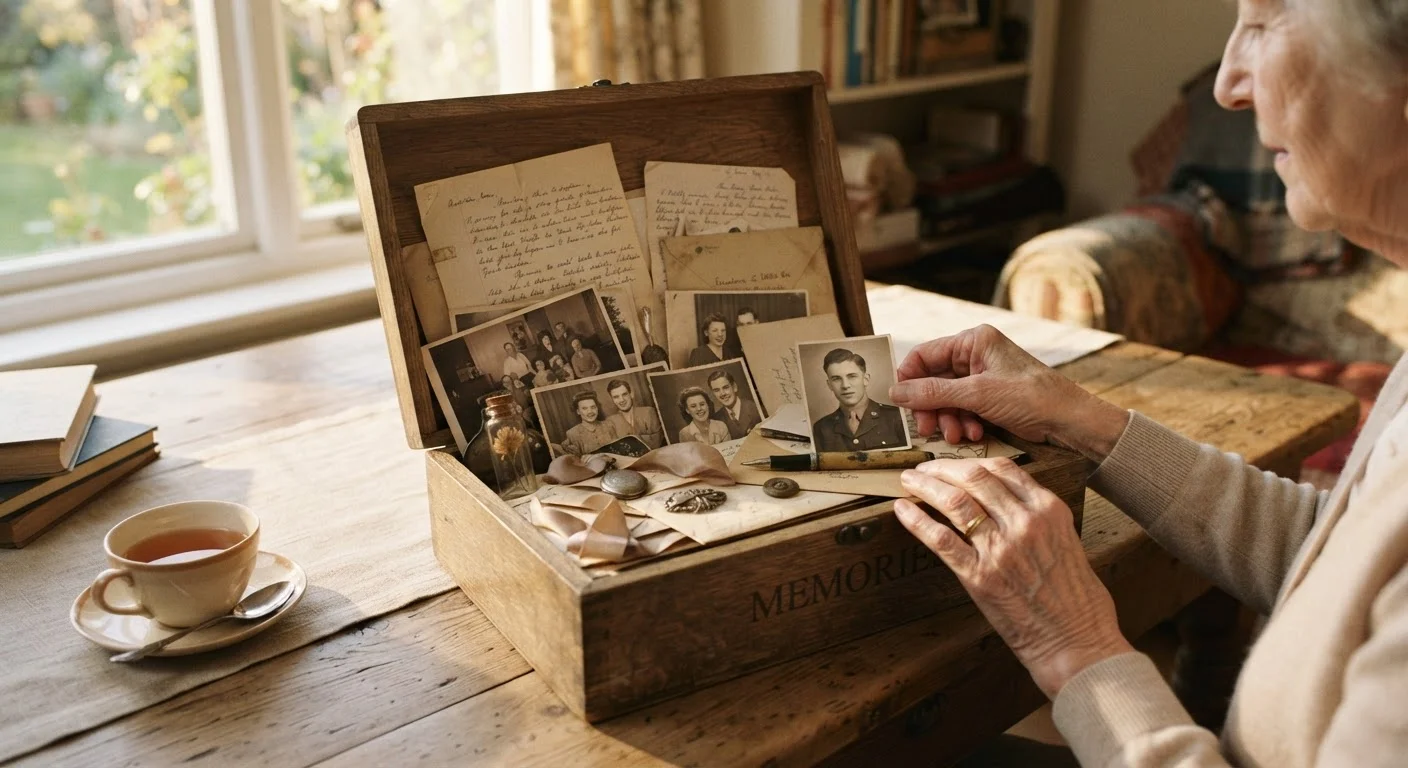
Why Sentimental Items Are So Hard to Release
Sentimental items occupy a unique category in our homes. Unlike a broken appliance or an unworn shirt, they carry the weight of relationships, milestones, and identity. Letting go of them can feel like erasing a chapter of your life - or worse, betraying someone you love.
This emotional tug isn't irrational. Research in the psychology of attachment suggests that people routinely imbue objects with the essence of the people or experiences they represent. A parent's old watch doesn't just tell time; it holds presence. That's a meaningful distinction, and it deserves to be treated seriously rather than dismissed as sentimentality.
The trouble begins when this perfectly human instinct expands to fill every corner of a home. Understanding the mental toll of clutter can help clarify why sentimental hoarding - even when well-intentioned - often contributes to stress rather than comfort.
This Is an Emotional Process, Not Just a Practical One
Sorting through sentimental items can surface real grief, nostalgia, or complicated feelings about relationships. It's normal to need to pause, and it's okay to take this process slowly. If you find that attachment to objects is significantly affecting your daily functioning or wellbeing, speaking with a licensed therapist or counselor can be genuinely helpful - this is general information, not a substitute for professional guidance.
Guilt vs. Genuine Value: A Useful Distinction
The most clarifying question you can ask about any sentimental object is this: Am I keeping this because it brings me real joy or comfort, or am I keeping it to avoid feeling guilty? Those are two very different motivations, and they lead to very different homes.
Guilt-keeping tends to multiply. One inherited tea set becomes a cabinet of guilt-kept china. One box of a deceased relative's papers becomes a storage unit of obligation. When guilt drives the keeping, there's rarely a natural stopping point.
Ask the Right Question Before Deciding
When you pick up a sentimental item, try asking: 'Does keeping this serve me, or does it serve my guilt?' If the honest answer is guilt, that's useful information - not a reason to shame yourself, but a signal that releasing it might bring more peace than holding on. Give yourself permission to decide from your present, not your past.
Genuine value, by contrast, is easy to recognize. You display the item. You return to it. It makes you feel connected to something meaningful rather than burdened by it. That's the category worth protecting space for.
It also helps to remember that the person who gave you an item likely did not intend it to become a source of stress. Most gifts - and most inherited objects - were given out of love, not obligation. Honoring that intent sometimes means choosing your own peace over holding on indefinitely.
Practical Strategies for Letting Go Thoughtfully
Decluttering sentimental items doesn't require ruthlessness. It requires intention. A few approaches that many people find genuinely helpful:
- Define a keepsake boundary. Choose one box, one shelf, or one drawer as your sentimental limit. When it's full, something leaves before something new enters. This turns an infinite emotional problem into a manageable physical one.
- Photograph before releasing. Capture images of items you're ready to release. A digital album preserves the visual memory without claiming floor space. Some people also create printed photo books as a meaningful alternative to storing physical objects.
- Pass it forward. Before donating or discarding, consider whether a family member or close friend would genuinely treasure the item. Knowing it lives with someone who values it can ease the guilt of letting go significantly.
- Repurpose with intention. A grandmother's fabric scraps can become a quilt. A child's artwork can be scanned and turned into a calendar. Transformation honors the original item while giving it renewed purpose.
Comparing different decluttering strategies can also help you find a system that works with your natural habits rather than against them.
Building a Home That Holds Memory Without Being Held Hostage to It
The goal isn't a home stripped of meaning - it's a home where the objects that remain genuinely reflect who you are now, not just who you were or what you felt obligated to preserve. That's a subtle but powerful shift.
Building routines that sustain an organized home matters here too. A one-time purge of sentimental items rarely sticks if the underlying habits haven't changed. Regular, low-pressure check-ins with your keepsake space - perhaps once a year - keep it from quietly expanding back.
It's also worth questioning some of the assumptions we carry into this process. Common organization myths - like the idea that keeping everything is always the respectful choice - can subtly undermine your efforts before you even begin.
54%
Adults who say clutter causes them stress
According to a survey by the American Psychological Association, more than half of adults report that a disorganized home contributes to their overall stress levels.
1 in 3
People who cite guilt as reason for keeping items
Research on hoarding and clutter behavior consistently identifies guilt and obligation - particularly around inherited or gifted objects - as a primary barrier to decluttering.
Your home is a living space, not a museum. The memories that matter most are already held inside you. The objects that help you access those memories deserve their place. The ones that only generate guilt deserve your permission to leave.