
What Each Approach Actually Means
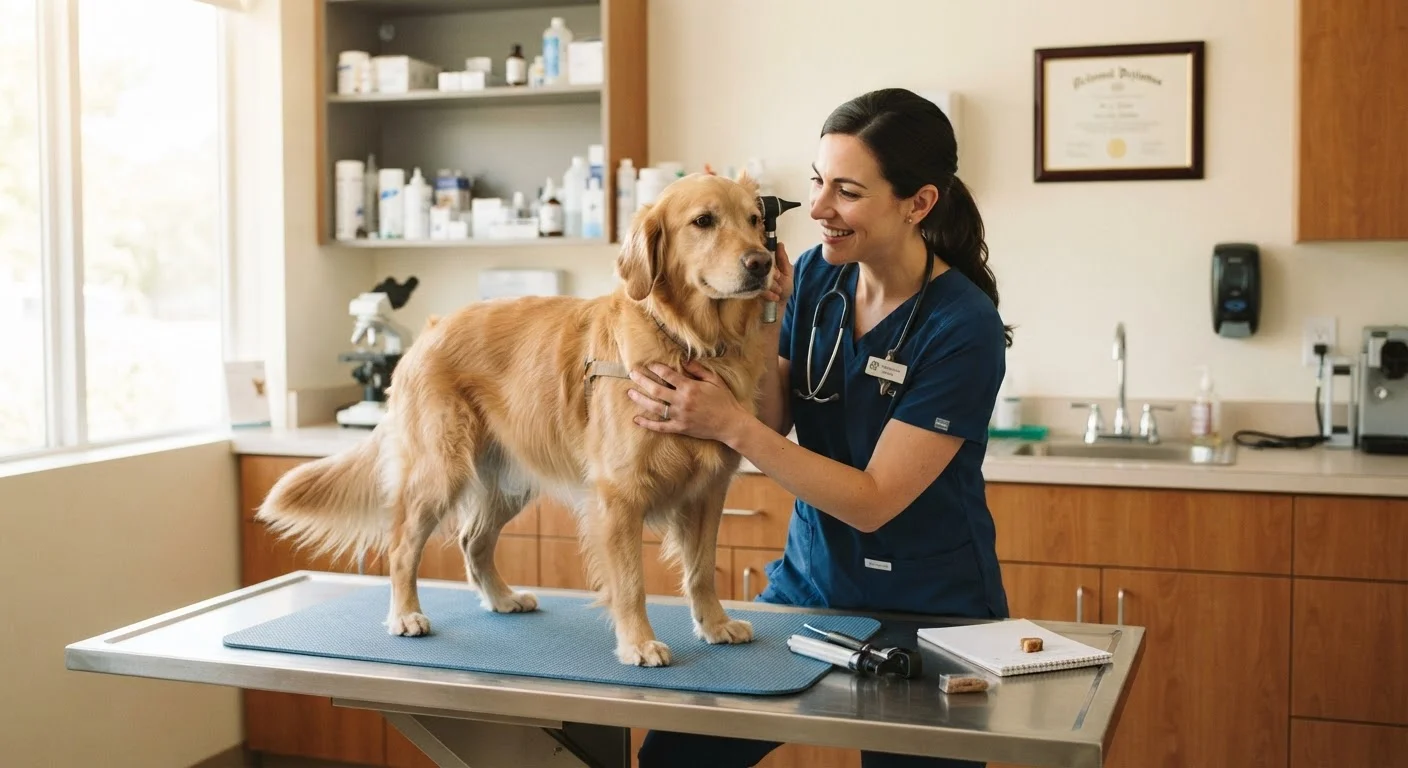
Preventive vet care refers to scheduled, wellness-focused veterinary visits and at-home routines designed to sustain health before disease or injury occurs. This includes annual or biannual physical exams, core vaccinations, parasite screening, dental assessments, and weight monitoring. The goal is to establish what's normal for your pet and to catch subtle shifts early.
Reactive treatment, on the other hand, begins after a problem is already present. A pet develops a limp, stops eating, displays labored breathing, or is injured - and a vet visit becomes urgent. Treatment at this stage is necessary and sometimes life-saving, but it is response-based rather than anticipatory.
It's worth clarifying that reactive treatment isn't a failure on an owner's part - illness and injury happen even with consistent preventive care. The distinction matters because understanding the difference helps pet owners make more informed decisions about when and how often veterinary contact is appropriate. See common health oversights new pet owners make to understand how gaps in routine care can accumulate over time.
| Criterion | Preventive Vet Care | Reactive Treatment |
|---|---|---|
| Timing | Scheduled, routine | Triggered by symptoms or injury |
| Primary goal | Maintain health and detect early | Diagnose and treat an existing problem |
| Typical examples | Wellness exams, vaccines, parasite checks | Illness diagnosis, emergency care, surgery |
| Health data available | Builds ongoing baseline over time | May start without prior health context |
| Owner's role | Proactive scheduling and monitoring | Recognizing and responding to symptoms |
| Predictability | Planned and consistent | Unplanned, often urgent |
Why Preventive Care Is More Than Just Vaccines
Many owners associate preventive care exclusively with annual shots, but routine wellness visits do considerably more than update a vaccination record. During a physical exam, a veterinarian systematically checks heart and lung sounds, palpates the abdomen, assesses joint mobility, inspects the skin and coat, and reviews the eyes, ears, and teeth - all in one appointment.
This kind of systematic review matters because pets, particularly cats, tend to mask signs of illness. By the time visible symptoms appear, a condition may already be at an advanced stage. Regular baseline data - body weight trends, bloodwork reference ranges, and behavioral notes - gives vets a comparative lens that a single emergency visit simply cannot provide.
70%
Pets showing dental disease by age 3
The American Veterinary Medical Association notes that most dogs and cats show signs of periodontal disease by age three - a condition frequently identified during routine wellness exams.
2x/year
Recommended vet visits for senior pets
Many veterinary guidelines suggest that pets over seven years old benefit from biannual wellness checkups, since age-related changes can progress more quickly.
Supporting daily habits reinforces what preventive visits accomplish. Daily pet care habits that make a real difference - from tooth brushing to weight-appropriate feeding - complement scheduled vet care and reduce the likelihood of preventable conditions. For a structured overview of what preventive care looks like across a full year, the pet annual health checklist is a practical starting point.
How the Two Approaches Work Together
Preventive and reactive care are not rivals - they occupy different roles within a complete approach to pet health. Think of preventive care as the foundation: it reduces the frequency and severity of health crises by keeping a pet's baseline in good shape. Reactive treatment is the necessary fallback when something breaks through that foundation.
A pet with a strong preventive care history is actually better served during reactive treatment. Veterinarians have prior exam records, baseline bloodwork, and documented weight trends to compare against - making diagnosis faster and more accurate. An animal presenting at an emergency clinic with no prior health records requires more guesswork from the treating vet.
Both Types of Care Require Owner Observation
Whether a pet is on a preventive schedule or receiving active treatment, the owner's ability to notice behavioral and physical changes at home is critical. Changes in appetite, energy level, gait, or elimination habits are often the earliest signals that something warrants a vet call. No care model replaces attentive daily observation. When in doubt, contact your veterinarian rather than waiting for a scheduled visit.
If vet visits themselves feel stressful, that's a solvable problem. Preparing your pet for a vet visit without the anxiety covers practical steps to make appointments less fraught for both animal and owner - which makes consistent preventive scheduling easier to maintain long term.
This article is for general informational purposes only and is not a substitute for professional veterinary advice. Always consult a licensed veterinarian regarding your pet's specific health needs.