
Why You Need a Pre-Purchase Checklist
Every non-essential purchase starts with a feeling - excitement, curiosity, or the quiet sense that something is missing. The problem is that feelings are unreliable guides to spending. Research into consumer behavior consistently shows that a brief pause between impulse and action significantly reduces regret and unnecessary expenditure. A structured checklist gives that pause a useful shape.
This isn't about denying yourself things you enjoy. It's about making sure the things you buy are actually worth your money, space, and attention. Whether you're eyeing a gadget, a piece of clothing, or a subscription service, the questions below will help you decide with clarity rather than momentum.
For a deeper look at what drives snap decisions in the first place, see The Psychology Behind Impulse Buying - understanding your triggers is the foundation of this entire process.
Clarify Your Need
Check Your Budget
Examine Your Motivation
Evaluate Quality and Fit
Final Go / No-Go Check
Tools That Make This Habit Easier
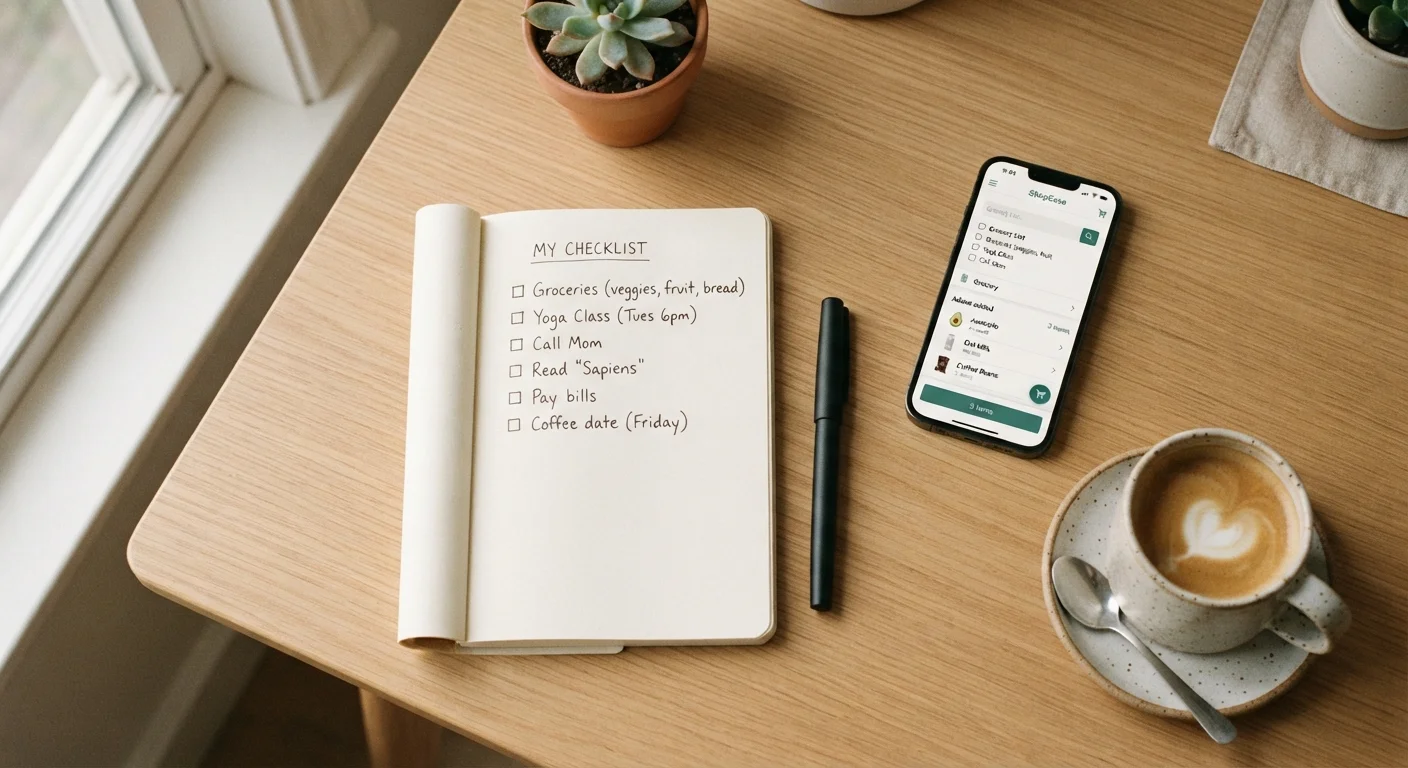
You don't need sophisticated technology to use this checklist - a notes app or even a sticky note works. That said, a few simple tools can make the habit more consistent and sustainable.
Notes App or Checklist App
Store and quickly reference your pre-purchase checklist on your phone so it's available at the moment of temptation, whether online or in-store.
Budgeting Spreadsheet or App
Check your current discretionary budget in real time so you can answer the budget questions accurately rather than guessing.
Spending Journal (notebook or digital)
Track purchase decisions - made, delayed, or declined - to identify patterns and build long-term financial self-awareness.
Browser Wishlist or Save-for-Later Feature
Park items you're considering rather than buying immediately, giving your 24-to-48-hour waiting period a practical structure.
If you find yourself regularly evaluating deals or promotional offers rather than straightforward purchases, the Decoding a Deal checklist is a natural companion resource - it focuses specifically on separating genuine value from marketing pressure.
Sales and Countdown Timers Are Designed to Rush You
Limited-time offers and low-stock warnings are common tactics designed to compress your decision window. If a deal genuinely requires you to skip your checklist, that urgency is a reason to be more cautious, not less. A good purchase will still be a good purchase tomorrow - or next week.
Making the Checklist a Lasting Habit
Running through these questions once is useful. Building it into a reflexive habit is transformative. Start by applying the checklist only to purchases above a personal threshold - say, anything over $30 or $50. This keeps the habit from feeling burdensome while targeting the decisions that actually matter to your budget.
Over time, you'll notice patterns: certain categories where you overspend, emotional states that trigger browsing, or types of items that consistently fail the checklist. That self-knowledge is genuinely valuable. Well-structured shopping lists work hand in hand with this approach - they shift your buying from reactive to planned before you even open a browser or walk into a store.
This Checklist Is a Decision Aid, Not a Rule
The goal here is intentional spending, not restriction. Some purchases will sail through every question quickly and that's fine - clarity is the point, not denial. Use the checklist as a thinking tool, and adjust the threshold questions to match your own financial situation and values. General financial information like this is not personalized financial advice; consider speaking with a qualified financial professional if you are working through significant budgeting challenges.
For broader financial context, the Saving Money hub covers practical everyday strategies that pair well with smarter purchase decisions. Building a pre-purchase habit is one of the most direct, repeatable levers you have for keeping more of what you earn.