
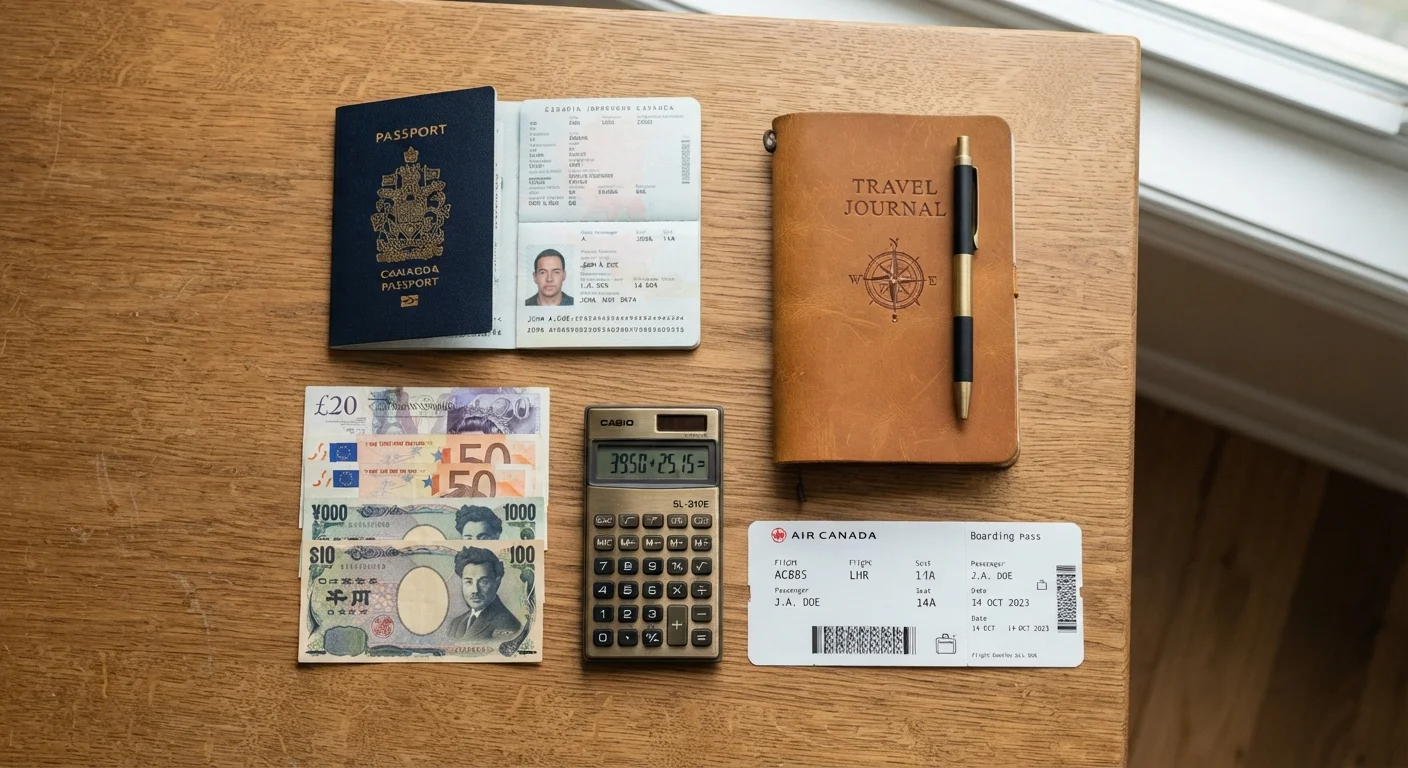
Why Budget Planning Comes Before Booking
The excitement of planning a first trip can make it easy to lock in flights before you've thought through the full cost picture. That sequence is one of the most common - and costly - mistakes new travellers make. Booking without a complete budget means you're likely to underestimate total spend by a wide margin, leaving you stressed mid-trip or overdrawn when you get home.
This checklist walks you through every major cost category so you can build a realistic spending plan before any money changes hands. It pairs well with the pre-trip planning checklist, which covers documents, health prep, and logistics alongside the financial groundwork covered here.
Work through each group below with a simple spreadsheet or even pen and paper. The goal is a single, honest number - your total trip cost - that you can decide whether to fund, reduce, or delay.
Core Transportation Costs
Accommodation
Travel Documentation & Entry Requirements
Travel Insurance
Daily Living Costs
Currency & Payment Preparation
Emergency & Contingency Fund
Tools That Make Budget Planning Easier
You don't need specialized software to budget a trip, but a few basic tools make the process faster and more accurate.
Spreadsheet application
Create a line-by-line cost tracker with a running total for each budget category.
Currency converter
Convert destination prices into your home currency so daily spending estimates are meaningful.
Destination cost-of-living resources
Look up typical meal, transport, and accommodation costs for your specific destination city.
Travel insurance comparison site
Review multiple policy options side by side to understand coverage levels and costs.
Once you have your numbers in order, revisit your destination choice. Some locations are dramatically cheaper than others at certain times of year, and shifting your dates by even two or three weeks can meaningfully reduce flight and accommodation costs. For a deeper look at that strategy, see stretching your travel budget without sacrificing the experience.
Budget Estimates Go Stale Quickly
Flight and accommodation prices shift constantly, and exchange rates fluctuate. Lock in your budget estimate close to when you intend to book, not weeks earlier. If you're researching a trip more than a month out, treat all price lookups as directional rather than precise and re-verify before committing.
Visa Information Changes - Verify Officially
Visa requirements, entry fees, and travel authorization rules can change with little notice. Always confirm current requirements directly with the official embassy, consulate, or government immigration website of your destination country before booking. Do not rely solely on third-party travel blogs or booking platforms for this information.
Costs First-Time Travellers Most Often Miss
Beyond the obvious line items, several costs catch first-timers off guard. Airport transfers are frequently overlooked - taxis and ride-shares from major international airports can cost $30-$80 or more each way, and that's a round-trip expense on both ends. Checked baggage fees, seat selection charges, and travel-day meals add up quickly on budget carriers.
Currency exchange is another hidden drain. Using a debit card with foreign transaction fees or exchanging cash at airport kiosks often carries a 3-8% markup. Research your card's fee structure and consider whether opening a fee-free travel account makes sense for your situation - this is general financial information, not personalized advice, so consult your bank or a financial professional for guidance on what's right for your circumstances.
Medical Costs Abroad Can Be Severe
Many countries do not have reciprocal healthcare agreements with the US, meaning a hospital visit abroad can cost thousands of dollars out of pocket. Travel insurance with adequate medical coverage is not a luxury - it is a financial necessity for international travel. Review your policy limits before you finalize your purchase, and consult a licensed insurance professional if you have questions about what coverage is appropriate for your trip.
Finally, don't forget post-trip costs. If you're returning to work the next day after a red-eye, you may need a taxi rather than public transit, or a meal you didn't plan for. Building a small buffer for re-entry expenses is a mark of a thorough plan. For a parallel look at thoughtful spending decisions closer to home, the pre-purchase decision checklist applies the same deliberate approach to everyday buying.