
Flexibility and Itinerary Control
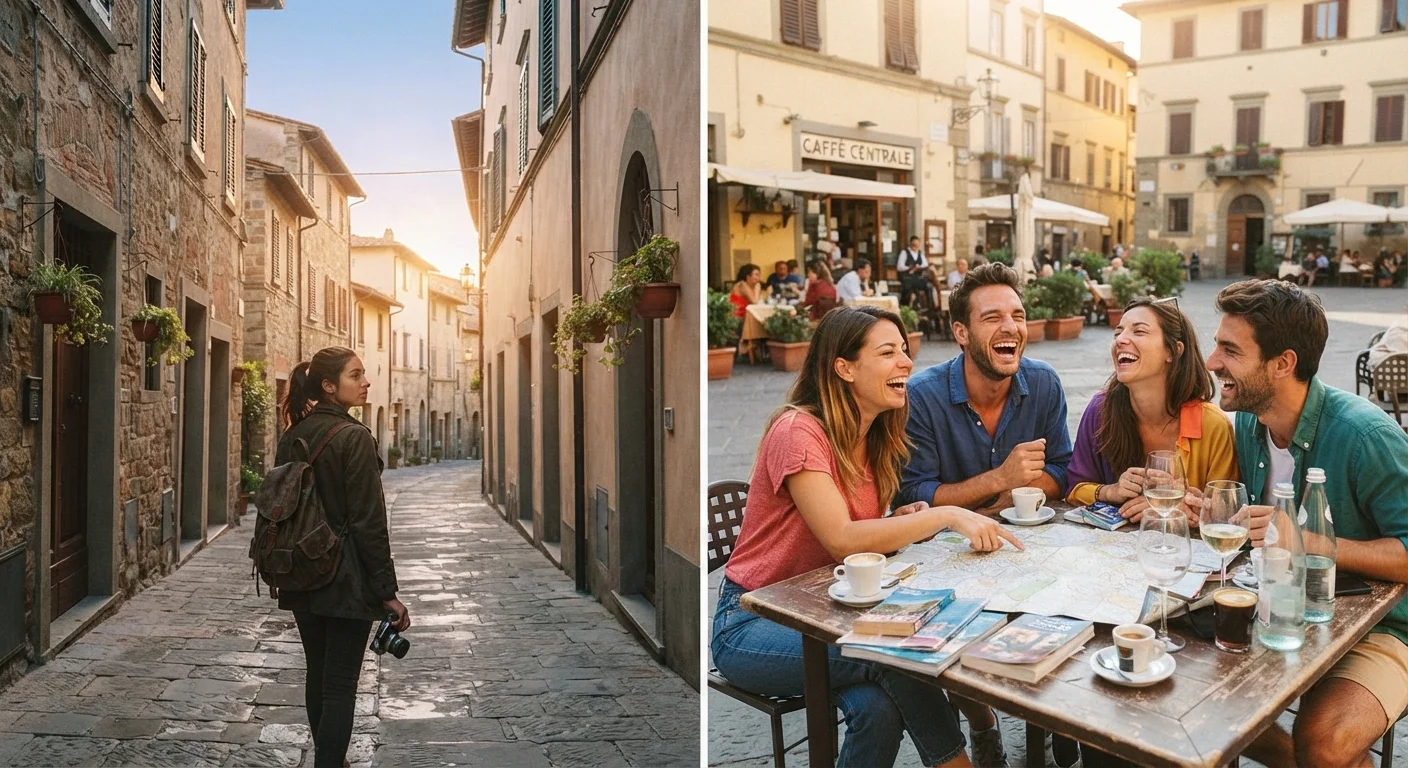
The most immediate difference between solo and group travel is who controls the plan. When traveling alone, every decision - where to eat, when to leave, how long to stay at a museum - is yours. That freedom is genuinely powerful. You can shift your entire itinerary based on a local tip you received over breakfast, or spend a full afternoon somewhere that wasn't in any guidebook.
Group travel introduces negotiation into every choice. Even with close friends, aligning preferences on where to dine, how early to wake up, or how much to spend on a single excursion takes effort. The larger the group, the more complex this becomes. That said, the upside of shared decision-making is that others often surface ideas you'd never have found on your own.
For those exploring a mix of both, short vs. extended trip planning strategies can help clarify how to prioritize logistics regardless of travel style.
| Criterion | Solo Travel | Group Travel |
|---|---|---|
| Itinerary flexibility | Complete - change plans anytime | Limited - requires group consensus |
| Per-person accommodation cost | Higher - solo supplement common | Lower - shared across travelers |
| Safety in unfamiliar areas | Requires active planning | Built-in mutual awareness |
| Social experience | Self-directed; solitude by default | Constant companionship |
| Personal growth potential | High - navigating alone builds confidence | Moderate - shared decisions limit challenge |
| Decision-making speed | Instant | Slower - coordination required |
| Best trip length | Flexible - any duration | Shorter trips tend to reduce friction |
Cost Differences: What You Actually Pay
Solo travel has a persistent financial reality: the solo supplement. Hotels, cruises, and some tour operators charge single travelers close to what a pair would pay, because pricing is built around double occupancy. Private accommodation, solo taxi rides, and individual tour bookings all reflect this.
Group travel distributes those fixed costs. Splitting a rental apartment, a hired car, or a private tour across four people dramatically reduces what each person pays. Groups can also unlock negotiated rates for guided experiences that aren't available to individuals.
That said, group travel isn't inherently cheaper once spending habits diverge. If one person wants fine dining and another is watching every dollar, the social pressure to keep pace can actually inflate individual costs. Clear conversations about budget expectations before departure help prevent this. For general guidance, see approaches to stretching a travel budget.
25%+
Typical solo supplement on hotel bookings
Many hotels price rooms based on double occupancy; solo travelers often pay 20-30% more for the same room, according to travel industry estimates.
72%
Solo travelers who report increased confidence
A survey by Hostelworld found that a large majority of solo travelers felt more self-confident after completing their first solo trip.
4-in-10
Americans who have traveled solo at least once
AARP and various travel surveys consistently indicate that solo travel has grown significantly among US adults across age groups.
Safety, Confidence, and the Comfort Factor
Group travel provides inherent safety advantages that are worth taking seriously. Someone always knows your whereabouts. Groups are more visible and generally less vulnerable to opportunistic risks in unfamiliar areas. For first-time international travelers or those visiting destinations with specific safety considerations, starting with a group can ease the learning curve considerably.
Solo travel requires more active safety awareness - researching neighborhoods, sharing itineraries with someone at home, and making deliberate choices about when and where to move around. None of this is prohibitive, but it demands preparation. Many solo travelers find this heightened awareness actually enriches the experience, keeping them more present and connected to their surroundings.
Comfort is also personal. Introverts often find group travel socially exhausting over extended periods, while extroverts may find solo travel lonely without deliberate social planning. Neither response is wrong - knowing which describes you is genuinely useful data.
A Note on Safety Resources
Regardless of whether you travel solo or in a group, registering with the U.S. State Department's Smart Traveler Enrollment Program (STEP) before international travel is a straightforward and practical step. It allows the nearest U.S. embassy or consulate to contact you in an emergency and helps family members reach you. Always verify entry requirements, travel advisories, and health recommendations through official government sources before departure - conditions can change.
Which Style Fits Your Travel Personality?
There's no universally correct answer here. The more useful question is what you want the trip to do for you. If you're seeking clarity, independence, or a reset from your usual social roles, solo travel tends to deliver that. If you're celebrating something, reconnecting with people you care about, or simply want the energy of shared discovery, group travel serves a different but equally valid purpose.
It's also worth noting that these styles aren't mutually exclusive. Some travelers book a group tour for a portion of their trip - say, a structured cultural excursion - and then build independent days around it. For a related perspective on how travel format shapes the experience, see how solo and group road trips compare.
Your past trips are a reasonable guide. Did you feel liberated or unsettled when traveling alone? Did group trips feel energizing or draining? Those reactions tell you something honest about your preferences worth factoring into future plans. For more context on how travel pace intersects with these choices, slow vs. fast-paced travel comparisons offer additional framing.