
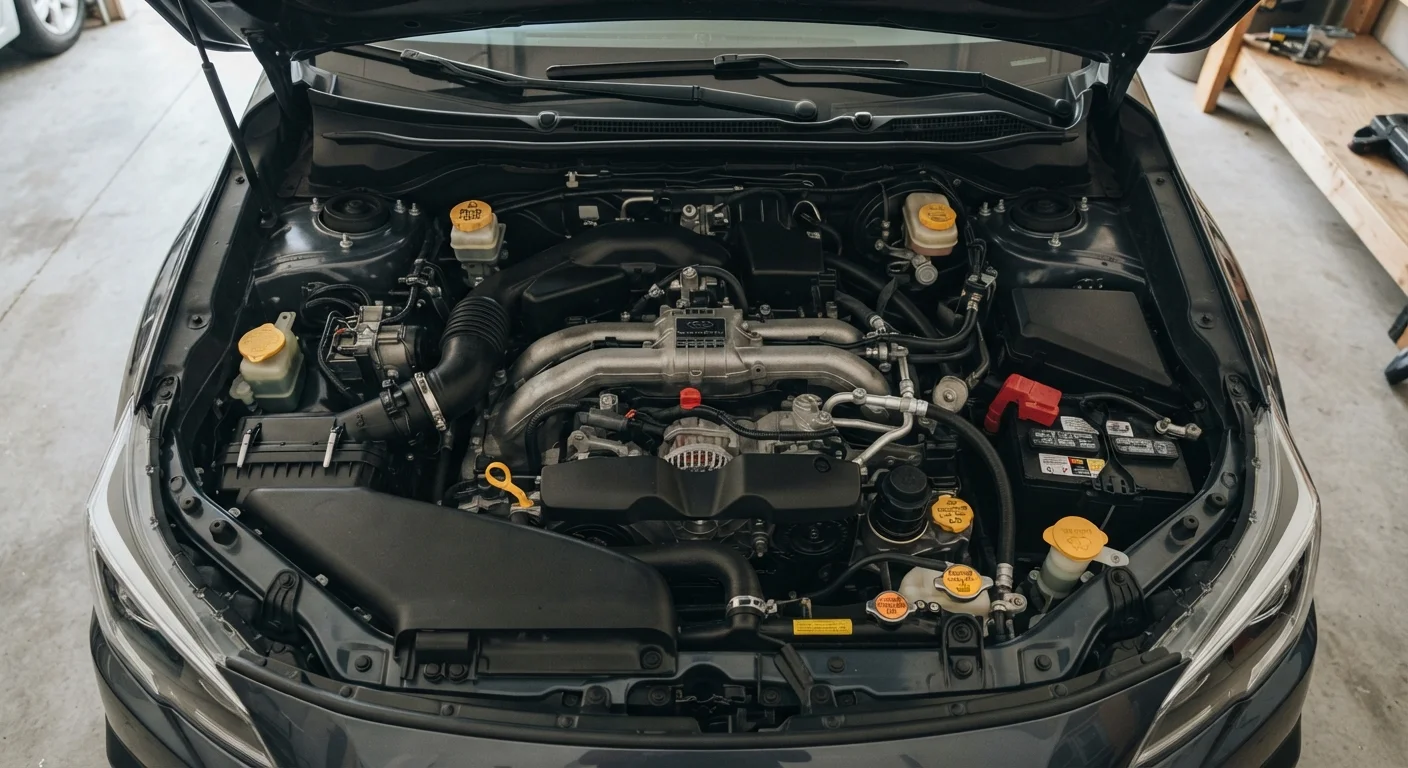
Why Fluids Are the Lifeblood of Your Car
Think of your car's fluids as a team: each one handles a completely different job, and if any one member goes missing or degrades, the whole system suffers. Unlike a blown tire or a dead battery - problems you'll notice instantly - low or contaminated fluid can quietly cause expensive damage before you see a single symptom.
The good news is that checking most fluids is quick, free, and requires nothing more than popping the hood and knowing where to look. This guide walks you through the five fluids most critical to everyday driving, what each one does, and how to check it safely.
For a broader look at keeping your car healthy from day one, see our complete beginner's car maintenance guide.
~40%
Engine failures linked to poor lubrication
Industry maintenance data consistently shows that a significant portion of premature engine failures involve inadequate or degraded engine oil.
2 years
Typical brake fluid change interval
Many vehicle manufacturers recommend replacing brake fluid every two years regardless of mileage, due to moisture absorption degrading performance over time.
5 min
Time needed for a full fluid visual check
Checking oil, coolant, brake fluid, and washer fluid levels visually takes most drivers under five minutes once they know where each reservoir is located.
Engine Oil: The One You Check Most Often
Engine oil lubricates the hundreds of moving metal parts inside your engine, reducing friction and carrying heat away from components. Without adequate oil, metal grinds against metal - and engine damage follows quickly.
How to check it
- Park on level ground and turn the engine off. Wait a few minutes for oil to drain back into the pan.
- Pull out the dipstick (usually a brightly colored loop or handle), wipe it clean with a rag, and reinsert it fully.
- Pull it out again and read both the level and the color. Oil should sit between the MIN and MAX marks. Fresh oil is amber; oil that's nearly black or gritty needs changing.
Check oil monthly as a habit. For a deeper look at oil grades and change schedules, our article on engine oil grades and change intervals covers what the numbers on the bottle actually mean.
Use the Right Oil for Your Vehicle
Always use the oil viscosity grade specified in your owner's manual - not whatever is on sale. Using the wrong grade can reduce lubrication efficiency and, in some cases, void a warranty. The grade is printed on the cap of most engines as a reminder (e.g., 5W-30).
Coolant: Preventing Your Engine from Overheating
Coolant (also called antifreeze) circulates through your engine and radiator, absorbing heat and releasing it through the radiator. In winter, it also prevents your cooling system from freezing. Running low on coolant is one of the fastest ways to cause catastrophic engine damage.
How to check it
- Only check when the engine is cold. The cooling system operates under pressure; opening the cap on a warm engine can cause serious burns.
- Locate the translucent coolant reservoir (usually near the radiator). Check the level against the MIN/MAX markers on the outside of the tank - no cap removal needed in most cars.
- Coolant should be brightly colored (green, orange, or pink depending on type). If it looks brown or oily, it may be contaminated.
Coolant Types Are Not Interchangeable
Green, orange, pink, and blue coolants use different chemical formulations and are not universally compatible. Mixing types can reduce corrosion protection and cause deposits. Always check your owner's manual for the correct coolant specification before topping up.
Brake Fluid, Power Steering Fluid, and Transmission Fluid
These three fluids are often overlooked between service appointments, but each plays a safety or performance role worth understanding.
Brake fluid
Brake fluid transmits the force from your brake pedal through the hydraulic lines to your brake calipers. It's hygroscopic - meaning it absorbs moisture over time - which lowers its boiling point and reduces braking effectiveness. The reservoir is typically a small, semi-transparent plastic container near the back of the engine bay. Level should sit between MIN and MAX. A sudden drop in brake fluid level often indicates a leak - a situation that warrants same-day professional inspection, not a simple top-up.
Power steering fluid
If your car has traditional hydraulic power steering (not electric), it uses fluid to assist steering. Low fluid causes stiff or jerky steering. The reservoir usually has a cap marked with a steering wheel icon. Check it with the engine off using the dipstick built into the cap.
Transmission fluid
Automatic transmissions rely on fluid to lubricate gears and manage heat. On vehicles with a transmission dipstick, check it with the engine warm and running (consult your owner's manual - procedures vary). Healthy transmission fluid is typically red or pink and slightly transparent. Dark, burnt-smelling fluid is a warning sign.
Keeping an eye on all these fluids pairs well with monitoring your tires. Our tire pressure and tread checklist covers the other half of a solid monthly inspection routine.
Windshield Washer Fluid: Low Stakes, High Visibility
Windshield washer fluid won't affect your engine or brakes, but running out at the wrong moment - behind a salt-spraying truck in winter, for example - can seriously impair visibility. It's the easiest fluid to check and refill: the reservoir is usually a blue-capped tank, and you can fill it with any commercially available washer fluid rated for your climate.
Never substitute water alone in freezing climates; it can freeze in the lines and crack the reservoir. Plain water also doesn't clean as effectively as formulated washer fluid.
Before any road trip, a quick fluid check across all five categories is worthwhile. Our guide on what to check before leaving the driveway covers this and everything else worth confirming before you hit the highway.
This article is for general informational purposes only. Always consult your vehicle's owner's manual for fluid specifications, and seek a qualified mechanic for any fluid-related concerns you cannot safely diagnose yourself.