
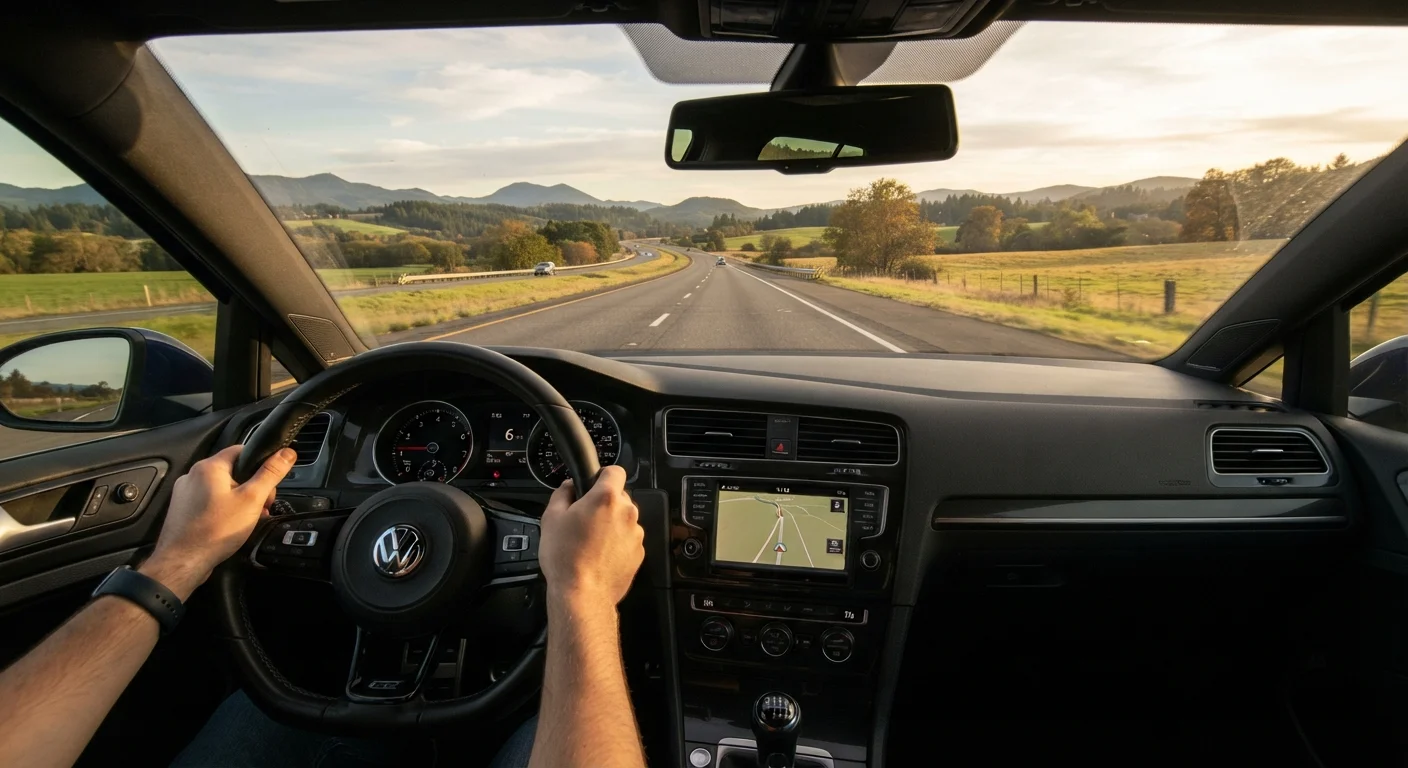
Why Fatigue Catches Drivers Off Guard
Driver fatigue is deceptive. Unlike hunger or thirst, it doesn't always announce itself clearly - it creeps in gradually, dulling reaction time and narrowing attention before most people realize what's happening. Research from the National Highway Traffic Safety Administration consistently identifies drowsy driving as a significant contributor to serious crashes, and it affects both short-haul commuters and veteran road-trippers alike.
Part of the problem is that many drivers underestimate how physically demanding sustained driving actually is. Holding a posture, monitoring multiple inputs, and making constant micro-decisions burns mental energy even when the road feels easy. The common myth that you can push through fatigue with sheer determination is one of the most dangerous ideas in road trip planning.
Fatigue Affects More Than Reaction Time
Beyond slowing your reflexes, fatigue affects decision-making, emotional regulation, and hazard detection - all of which matter enormously on the road. Studies suggest that being awake for 18 hours can produce impairment comparable to a blood alcohol level of 0.05%. This is general research context, not a diagnostic benchmark; the practical takeaway is simply that the effects of tiredness go well beyond feeling sleepy.
Work With Your Body's Energy Rhythms
Human alertness follows a circadian rhythm - a biological clock that creates predictable peaks and valleys throughout the day. For most people, alertness dips noticeably in the early-to-mid afternoon (roughly 1-3 p.m.) and again in the pre-dawn hours. Planning your driving schedule around these windows is one of the most practical things you can do before you leave.
If you have flexibility, front-load your longest driving segments in the mid-morning, when most people are naturally sharpest. Reserve lighter stretches - slower roads, familiar territory, shorter distances - for the early afternoon slump. This same principle applies at home too; the practice of aligning tasks with your energy peaks translates directly to the road.
Fueling Alertness: What Actually Works
Caffeine has a role, but it's widely overused as a primary fatigue strategy. A moderate amount of coffee or tea - consumed before a natural energy dip, not after you're already fighting to stay awake - can help extend alertness. The problem is that caffeine masks fatigue without resolving it, and its effect diminishes quickly under sustained sleepiness.
Hydration is underrated. Even mild dehydration - well before thirst kicks in - contributes to slower cognitive processing and mood changes. Keep water accessible and sip consistently rather than waiting until you feel parched. For food, aim for smaller, protein- and fiber-rich snacks over heavy meals. A large lunch is one of the most reliable ways to intensify that afternoon alertness dip. See what to pack before leaving the driveway for a practical snack and supply checklist.
Rest Stops: Timing and What to Do With Them
The general guidance from traffic safety researchers is to stop every two hours or 100 miles - whichever comes first - regardless of how you feel. This isn't a sign of weakness; it's the practical maintenance schedule that keeps you reliable behind the wheel. Building these stops into your route plan from the start removes the temptation to skip them when you're running ahead of schedule.
Use rest stops actively. Get out of the car, walk around, stretch your legs and hips - sitting in a fixed position restricts circulation and accelerates fatigue. A 10-20 minute nap, if you genuinely feel sleepy, is one of the most effective short-term alertness restorers available. Set an alarm so you don't oversleep and wake up groggy.
“Drowsy driving is impaired driving. The only safe cure for drowsiness behind the wheel is sleep - not caffeine, not music, not opening the window.”
— National Sleep Foundation, U.S. nonprofit organization focused on sleep health education
Know the warning signs that mean it's time to stop immediately: drifting lanes, missing exits or signs you just passed, heavy eyelids, or microsleeps (brief unconscious lapses you may not even notice until after). These are not signals to push harder - they're instructions to pull over safely and rest.
Making the Full Day Manageable
A sustainable driving day for most people is six to eight hours of actual wheel time - not eight hours including stops. Setting a realistic ceiling and sticking to it protects you from the trap of chasing a destination at the cost of safe, enjoyable travel. If your route genuinely requires more than that, an overnight stop is worth building in.
Passengers can help by keeping conversation going, handling navigation, and monitoring the driver for early fatigue signs. Rotating drivers on a regular schedule - rather than waiting until one person is exhausted - keeps everyone fresher for longer. Before any long drive, it's also worth confirming your vehicle is in good shape; understanding what your dashboard warning lights mean can prevent a mechanical surprise from turning a fatigue situation into a full emergency.
Plan Your End Time Before You Start
Decide in advance what time you'll stop driving for the day and treat it as a firm commitment, not a guideline. This prevents the 'just one more hour' pattern that accounts for a large share of late-day fatigue incidents. Building your overnight stop into your route plan - rather than deciding on the fly - makes it far easier to honor.
This article is for general informational purposes only. Always comply with local traffic laws and follow official road safety guidance for your region. If you experience persistent fatigue or sleep disorders, consult a qualified healthcare professional.