
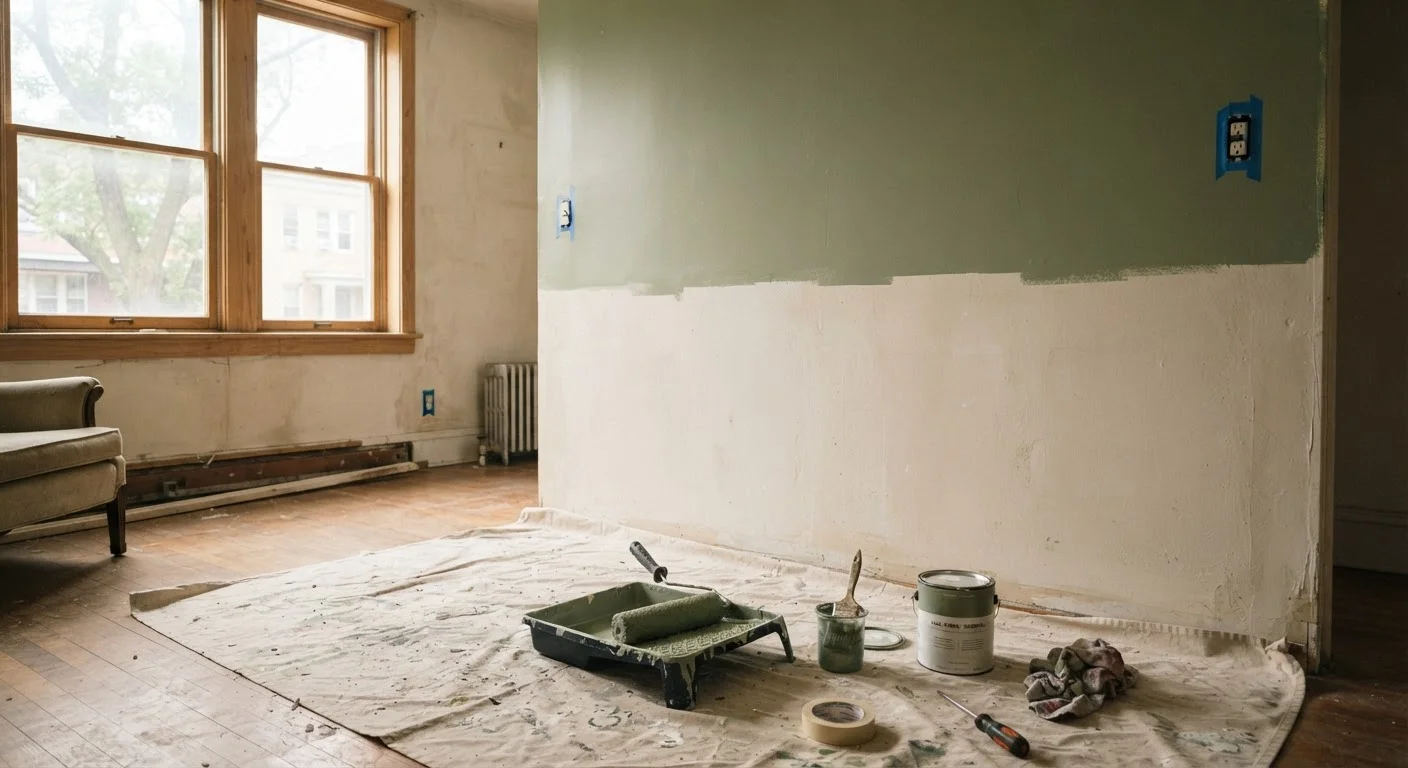
The Unfinished Project Problem Is More Common Than You Think
Walk through enough homes and you'll find them: a bathroom that's been half-tiled for eight months, a kitchen backsplash missing three rows, a room that got one coat of paint and was never touched again. Unfinished home projects are not a sign of laziness - they're usually a sign of avoidable planning gaps that nobody warned you about before you started.
The good news is that most stalled projects fail for predictable, fixable reasons. Recognizing the pattern is the first step toward actually crossing the finish line. See our home improvement planning checklist to work through the essentials before your next project begins.
Starting without a defined scope - treating "redo the bathroom" as a plan.
Why it happens: Excitement drives the early stages, and vague goals feel sufficient when motivation is high. The problem surfaces when mid-project decisions multiply.
Setting a budget only for materials and ignoring hidden costs like tools, repairs, and disposal.
Why it happens: First-time and occasional DIYers typically price the headline materials - tile, paint, lumber - without accounting for the full ecosystem a project requires.
Treating the entire project as one task with no intermediate milestones.
Why it happens: People plan for the finished result but not the journey. Without defined phases, any interruption - a busy week, a tired weekend - can stall the whole effort indefinitely.
Deferring material and design decisions until you're already mid-project.
Why it happens: Choosing grout color or hardware finish feels minor and easy to figure out later - until "later" arrives and the project grinds to a halt while you research options.
Underestimating the time each task requires, especially prep and cleanup.
Why it happens: Online tutorials and home improvement media often edit out the slow, unglamorous parts - surface prep, drying times, fixing mistakes - leaving an unrealistically compressed picture.
Why Momentum Fades - And How to Protect It
Even well-intentioned projects lose steam. Understanding what kills momentum lets you build in safeguards before you ever pick up a tool.
~52%
DIYers who go over budget on home projects
Surveys from home improvement research groups consistently find a majority of DIY project owners exceed their original cost estimate, often due to unplanned materials and repairs.
3-5x
Time underestimation factor for first-time projects
Home improvement educators commonly note that first-timers underestimate task duration by a factor of three to five, particularly for prep and finishing work.
One underappreciated culprit is decision fatigue. When you defer choices - paint finish, fixture style, grout color - until you're mid-project, each unresolved question becomes a friction point that can pause the whole job. Making those calls during the planning stage keeps the work moving when you're tired and time is short.
Don't Let Scope Creep Derail Your Timeline
Scope creep - discovering additional problems or adding new features mid-project - is one of the most common momentum killers. Opening a wall for one fix and finding water damage, or deciding mid-paint to also redo the trim, can turn a weekend job into a months-long ordeal. Decide upfront what is and isn't in scope, and log any new discoveries as a separate future project rather than expanding the current one on the fly.
If your to-do list feels overwhelming before you've even started, it may help to prioritize improvements by impact and effort rather than tackling everything at once. Momentum builds on small wins, and a finished modest project is always more valuable than a stalled ambitious one.
Sustaining a well-kept home long-term also depends on consistent habits beyond single projects. Explore routines that keep an organized home running smoothly once your improvement work wraps up.
Know When to Call a Licensed Professional
Some tasks that feel like natural extensions of a DIY project - electrical work, structural changes, gas lines, or plumbing tied to the main supply - require permits and licensed contractors in most jurisdictions. Attempting regulated work without proper licensing can void homeowner's insurance, create liability, and create genuine safety hazards. When in doubt, verify local code requirements and consult a qualified professional before proceeding. For a broader look at common beliefs that may be working against your home efforts, see home organization myths worth reconsidering.