
What Each Feeding Approach Actually Means
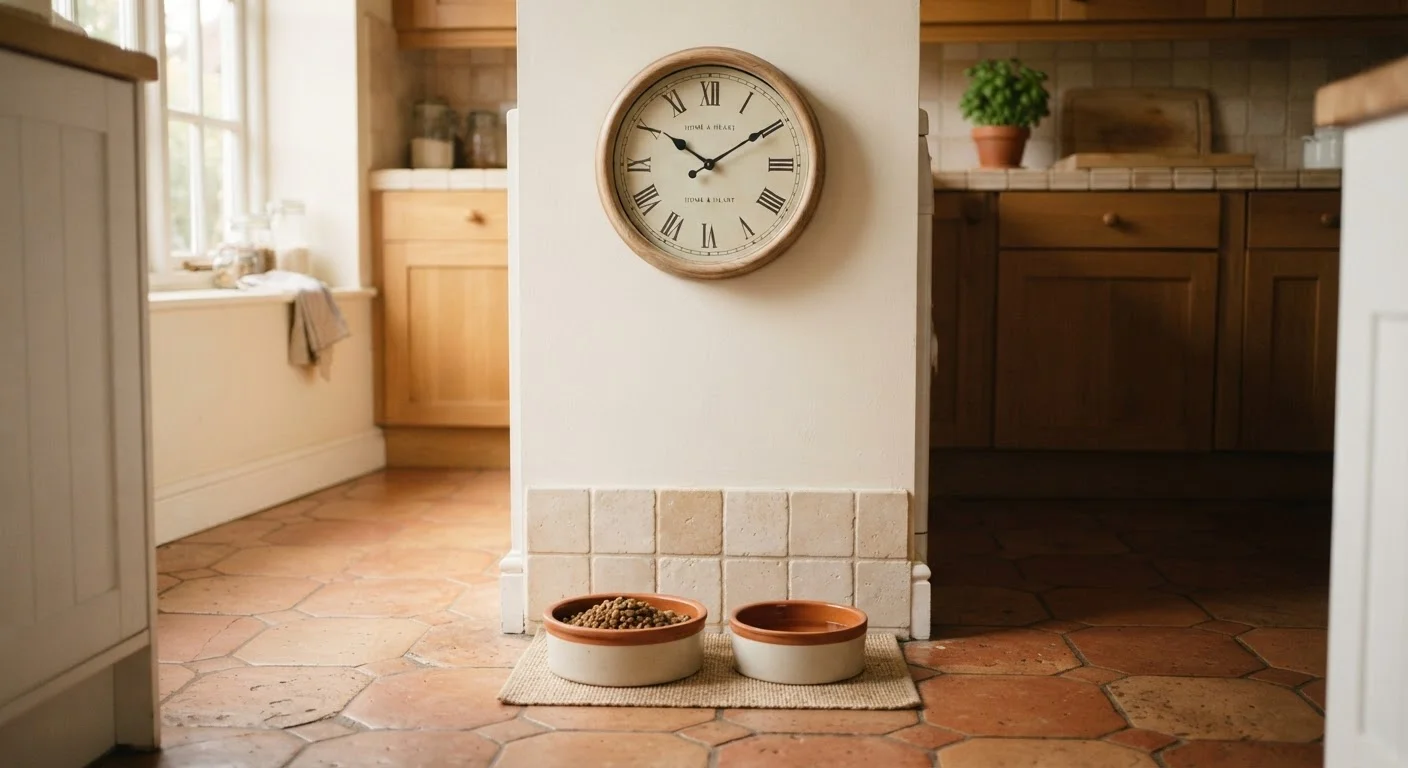
Free-roaming feeding - also called ad libitum or free-choice feeding - means keeping a bowl consistently filled so your pet can eat whenever they choose. Scheduled feeding means offering a measured portion once, twice, or occasionally three times a day and removing uneaten food between meals.
Both methods have legitimate uses, but they are not equally suitable for all animals, all life stages, or all household situations. Understanding the logic behind each approach makes the decision far clearer.
| Criterion | Free-Roaming Feeding | Scheduled Feeding |
|---|---|---|
| Portion control | Difficult to track | Precise and measurable |
| Appetite monitoring | Changes easy to miss | Changes noticed quickly |
| Obesity risk | Higher for most pets | Lower with correct portions |
| Multi-pet suitability | Problematic | Well-suited |
| Food types supported | Dry kibble only | Dry, wet, raw, mixed |
| Owner flexibility | High - no fixed schedule | Requires consistent timing |
| Best suited for | Self-regulating adult cats | Most dogs and cats |
The Case for Scheduled Feeding
Scheduled feeding is the approach most veterinarians and veterinary nutritionists favor for the majority of pets - particularly all dogs and most cats. Here is why it tends to work better in practice.
- Calorie control: Portioned meals let you match intake to your pet's actual energy needs, which vary by age, breed, activity level, and health status. This is the single most effective tool for preventing or addressing obesity.
- Early illness detection: A pet who skips a meal stands out immediately. With free-roaming feeding, it can take days before an owner notices reduced appetite - a meaningful delay when some conditions progress quickly.
- Behavioral benefits: Meal times create predictable structure. For dogs, this reinforces daily routines and can strengthen training by making food a more motivating reward.
- Multi-pet clarity: When each animal eats from their own bowl at a set time, you know who ate what. This matters for health monitoring and prevents resource-guarding conflicts.
For guidance on reading food labels and calculating appropriate portions, the pet nutrition label guide explains how feeding guidelines on packaging translate to real-world serving sizes.
59%
US dogs classified as overweight or obese
According to the Association for Pet Obesity Prevention's annual clinical survey, over half of US dogs are above their ideal body weight.
61%
US cats classified as overweight or obese
The same Association for Pet Obesity Prevention data shows cats face an even higher rate of excess weight than dogs.
When Free-Roaming Feeding Can Work
Free-roaming feeding is not inherently wrong - it is simply situational. Some adult cats genuinely graze rather than gorge, maintaining a steady body weight when food is available continuously. For these animals, scheduled meals can create unnecessary anxiety around food access.
However, free-roaming feeding has meaningful limitations that make it unsuitable as a default for most pets:
- It works only with dry kibble - wet or raw food cannot safely sit out for extended periods.
- It provides no built-in mechanism to catch early appetite changes.
- Many cats - and nearly all dogs - will overeat when food is always present.
- It is essentially unworkable in multi-pet households without careful supervision.
Kittens and Puppies Need Different Rules
Young animals have higher caloric demands and smaller stomach capacity than adults. Veterinary guidelines generally recommend three to four small meals per day for puppies and kittens rather than free-roaming or twice-daily adult schedules. Always follow the guidance of your veterinarian for young or still-growing animals, as their needs shift as they develop.
If you are unsure whether your pet is a true self-regulator, the annual health checklist includes body condition scoring, which is the most practical at-home tool for assessing whether your pet's current feeding approach is maintaining an appropriate weight.
Putting It Into Practice
Switching from free-roaming to scheduled feeding requires a short adjustment period. Most pets adapt within one to two weeks. Start by offering meals at consistent times each day - typically morning and evening for adult pets - and remove uneaten food after 20 to 30 minutes.
Transition gradually if your pet has had continuous access to food for a long time, reducing availability incrementally rather than stopping abruptly. Some animals, particularly cats, may show initial protest behaviors like vocalizing at meal times. This typically passes as the new routine becomes familiar.
Feeding strategy is just one piece of a broader care picture. The daily pet care habits guide covers how consistent routines - including mealtimes - compound into real long-term health benefits. And if you are navigating a health condition that affects your pet's diet, preventive vet care guidance can help you understand when a dietary question warrants professional input rather than general advice.
This article is for general informational purposes only and is not a substitute for personalized veterinary advice. Always consult a licensed veterinarian before making significant changes to your pet's diet, especially if your pet has an existing health condition.