
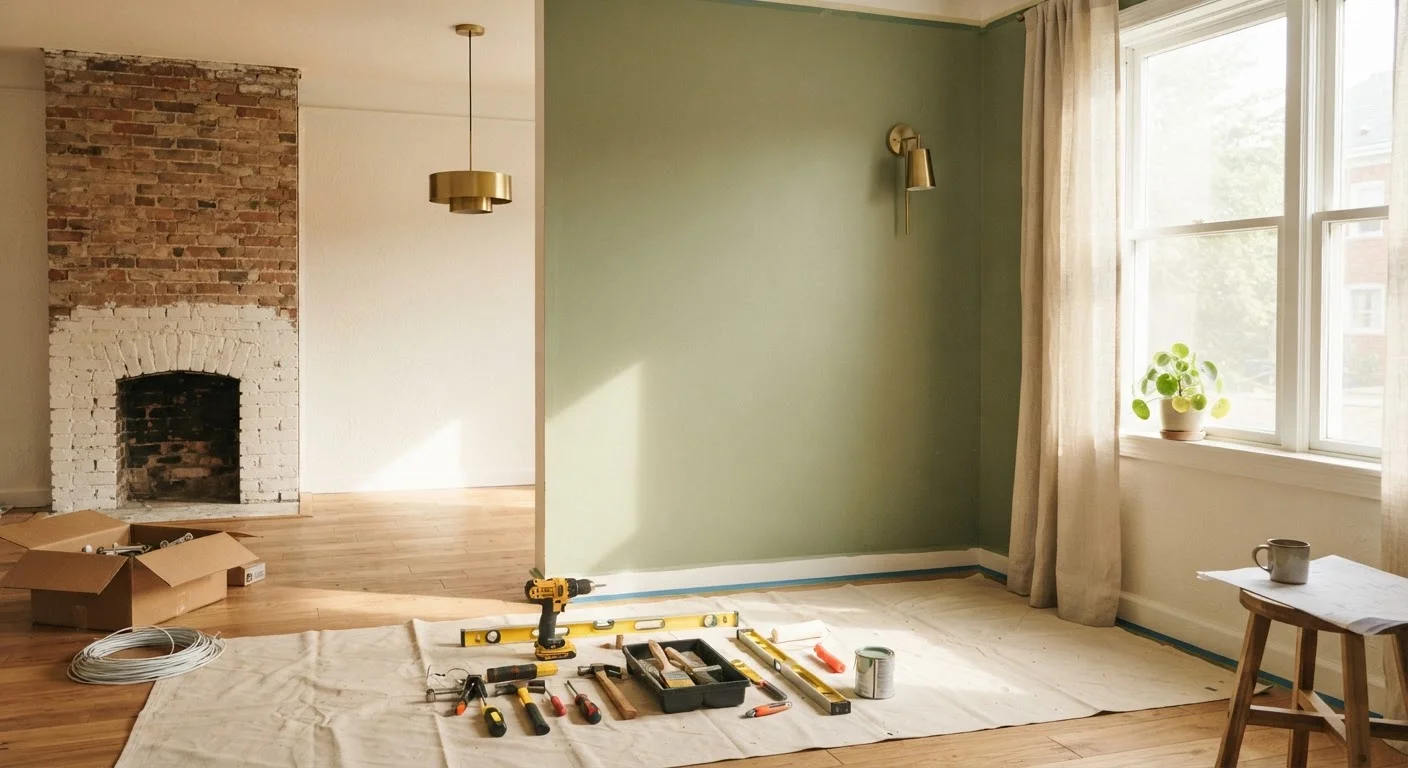
The Spectrum of Home Improvement
The phrase "home improvement" gets used loosely - and that's part of what makes it confusing. In practice, it describes an enormous range of activities that share one common trait: they leave your living space in a better state than they found it.
A useful way to think about home improvement is as three overlapping categories:
- Cosmetic improvements change how a space looks without altering its structure or systems. Painting walls, updating cabinet hardware, installing new flooring over existing subfloor, or swapping dated light fixtures all fall here.
- Functional improvements change how a space works - better storage, improved ventilation, updated appliances, or a reconfigured room layout. These often have a direct effect on daily comfort even when the visual change is modest.
- Structural or systems improvements address the underlying integrity of the home: roof repairs, foundation work, electrical panel upgrades, plumbing reroutes, and HVAC replacements. These typically require licensed professionals and, in most jurisdictions, building permits.
Understanding which category a project falls into helps you plan realistically - for cost, timeline, and who needs to be involved. For a deeper look at how cosmetic and structural work differ, see Cosmetic Fixes vs. Structural Work.
~55%
U.S. homeowners who completed a home project in the past year
Surveys by the Harvard Joint Center for Housing Studies have consistently found a majority of homeowners undertaking some form of improvement or repair annually.
Top 3
Most common improvement categories: kitchens, bathrooms, and outdoor spaces
Remodeling industry research regularly identifies these areas as the most frequently improved rooms in American homes.
Why the Distinction Matters - Practically and Financially
Home improvements don't all carry the same weight. A fresh coat of paint can transform how a room feels in an afternoon. Replacing aging electrical wiring is invisible once complete, but it protects your family from serious hazard. These two projects serve fundamentally different purposes, and conflating them leads to poor prioritization.
From a financial standpoint, improvements are generally distinguished from routine maintenance. Maintenance preserves what you already have - cleaning, servicing, and replacing worn consumables. Improvement adds capability, extends the property's useful life, or raises its condition above what it was before. This distinction may have tax implications when a home is sold; for specifics relevant to your situation, a licensed tax or real estate professional is the right resource.
When a Permit Is Required
Many homeowners are surprised to learn that even moderately sized projects - like adding a new circuit, replacing a water heater, or building a deck - require a permit in most U.S. jurisdictions. Permits exist to ensure work meets local safety codes. Always check with your local building or planning department before starting a project that touches electrical, plumbing, structural, or mechanical systems. Unpermitted work can complicate insurance claims and home sales.
If you're renting rather than owning, the calculus shifts further. Many structural improvements aren't available to renters at all, while cosmetic adjustments may be permitted with landlord approval. Renting vs. Owning: How Home Improvement Decisions Differ breaks down what's worth considering in each scenario.
Making Improvements That Actually Improve Your Life
The most meaningful home improvements are the ones aligned with how you actually live - not a generic checklist or a trend from a design magazine. Before starting any project, it helps to ask three questions:
- Does this fix a real problem? A dripping faucet, a drafty window, or insufficient lighting in a work area are genuine friction points. Solving them improves daily quality of life immediately.
- Does this support how the space is used? A family that cooks together every night benefits far more from a functional kitchen upgrade than from a renovated guest bathroom no one uses.
- Is this the right time and budget? Overextending on a single large project can leave other neglected issues to worsen. Phasing improvements thoughtfully is often smarter than one big push.
Start With Safety, Then Function, Then Aesthetics
A reliable prioritization order for any improvement project is: fix what's unsafe first, then address what's broken or inefficient, then tackle cosmetic upgrades. This approach ensures your spending protects your household before it beautifies it - and prevents small problems from becoming expensive ones while you focus on appearances.
Some rooms consistently respond better to improvement than others. Rooms That Reward Attention explores which spaces tend to deliver the most meaningful change for everyday living.
If you're not sure where to begin, Small Changes, Big Difference offers a practical starting point for any budget or experience level. And before picking up a tool, it's worth running through a planning checklist - Before You Pick Up a Tool covers the essentials, from budgeting to permits.